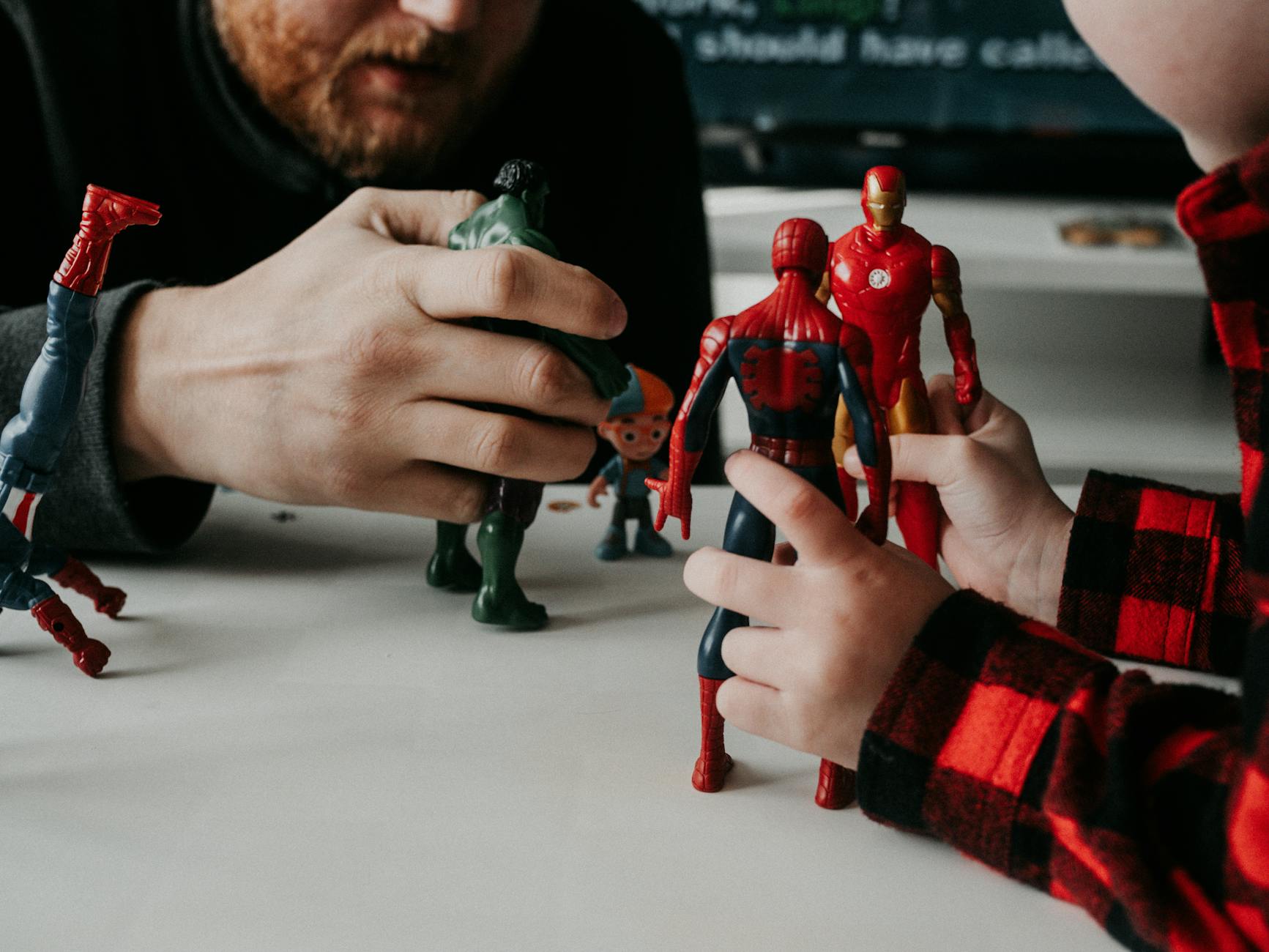
If you’ve ever sketched a hero, invented a character for a story, or wanted your favorite personality translated into something collectible and fun, an AI Action Figure Generator is the fastest path from imagination to an eye-catching, display-ready image. With the right prompts, you can use an action figure maker ai to turn descriptions, references, and style preferences into a polished ai action figure image in seconds—ideal for creators, marketers, designers, and fans who want a custom look without hours of manual editing.
On AIZora, you can access powerful generation tools for free, making it easy to experiment with different aesthetics, poses, outfits, and packaging concepts. Whether you’re exploring an ai collectible figure maker workflow or building a full toy-themed scene, this guide will walk you through exactly how to get stunning results using the AI Action Figure Generator.
Quick promise: With this tool, you can create action figure images from your idea instantly—whether you start from text, character notes, or a defined vibe.
What Is an AI Action Figure Generator and Why It’s So Powerful?
An AI Action Figure Generator is designed to convert your character concept into a visually compelling action figure image. Instead of drawing from scratch or outsourcing multiple design steps, you describe the character and the generator handles the rest—style, proportions, toy realism cues, and presentation. That’s the core value behind an action figure ai art workflow.
Depending on your prompts, you can generate:
- Personalized action figure ai designs based on a character’s theme, outfit, and personality
- Custom toy generator outputs that include accessories, logos, and visual details
- AI toy figure generator images with consistent “collectible” toy aesthetics
- Text to action figure creations where your description becomes the final product look
- Digital action figure creator results you can reuse in posts, mockups, and concept art
Because the tool is prompt-driven, you can iterate quickly. Want a tactical version instead of a superhero version? Add it. Prefer a “vintage 90s” packaging look? Specify it. This makes the generator a practical custom action figure creator for both casual fun and real creative work.
Instant from Idea to Visual: Typical Outputs
Most users start with a simple description and end with a shareable image. But the best results come when you treat it like a mini production pipeline: character design → figure pose → costume/accessories → packaging or scene context.
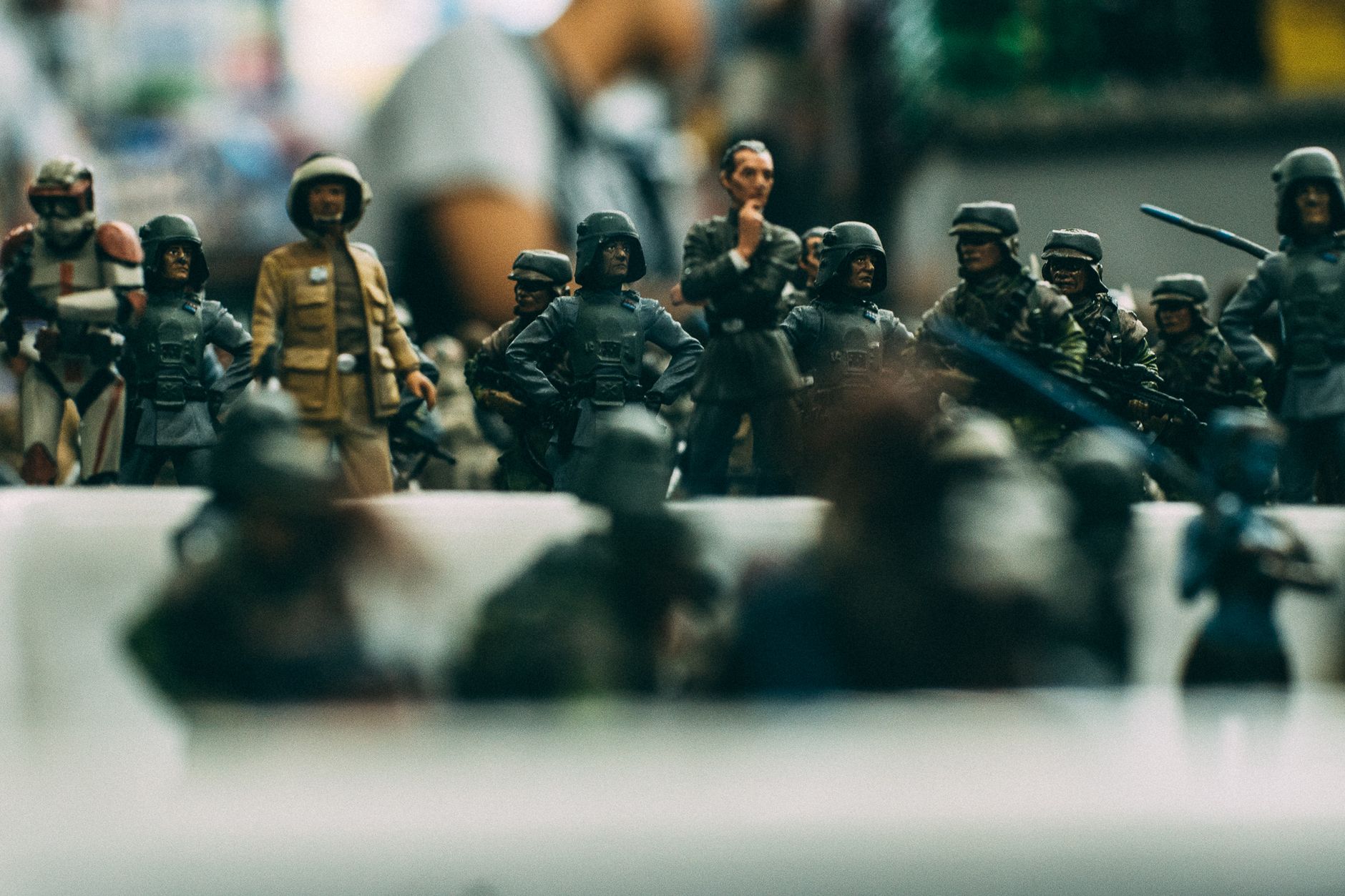
How to Create an AI Action Figure Image in Minutes (Step-by-Step)
Creating your first image with an action figure maker ai is straightforward. However, prompt quality determines how “collectible” the final result looks. Here’s a reliable process you can follow every time.
- Start with a clear character brief: Who is the character? What’s the role, vibe, and goal?
- Choose the style direction: realistic toy, stylized cartoon, premium collectible, or cinematic diorama.
- Define outfit + signature elements: include key clothing items, colors, insignias, and materials.
- Specify pose and action: hero stance, ready-to-throw pose, dramatic mid-leap, or “battle-ready” configuration.
- Add accessories: weapons, gadgets, tools, backpacks, capes, or emblem patches.
- Include packaging or background (optional): if you want an action figure packaging generator effect, specify box layout and branding style.
- Iterate with targeted edits: adjust lighting, expression, costume accuracy, or add missing details.
Prompt Template You Can Copy
Use this structure for a strong starting point:
Character: [name/role] with [age range] and [personality vibe].
Look: [outfit colors + materials], [helmet/mask/hairstyle], [signature symbols].
Pose: [stance/action].
Accessories: [weapon/gadget list].
Style: [toy realism / premium collectible / cartoon], [lighting], [camera angle].
Packaging: [open box / boxed presentation / diorama scene].
This is the foundation behind “create action figure from text” workflows—your description becomes the creative brief the generator turns into final imagery.
Best Practices for Consistency
If you want a series of characters that look like they belong to the same toy line, keep these variables consistent:
- Same scale (miniature collectible proportions)
- Same lens/camera angle (front-facing product shot vs. dynamic action angle)
- Same lighting style (studio softbox, neon cyberpunk, golden hour diorama)
- Same packaging format (same box shape, typography vibe, and emblem placement)
Prompt Ingredients That Produce Premium Results
To move from “cool concept” to a truly convincing collectible image, you need the right descriptive ingredients. These are the most effective levers when using an ai toy designer or digital action figure creator style workflow.
1) Materials and Textures
Action figures feel real when the prompt calls out materials. Try phrases like:
- “matte rubber suit texture”
- “metallic armor with subtle scratches”
- “glossy visor reflections”
- “fabric seams and stitched patches”
2) Color Blocking and Signature Contrast
Generative models respond well to clear color rules. Include:
- Main color + secondary accents
- High-contrast symbol placement (chest emblem, shoulder patch)
- Edge highlights and belt/utility color
3) Accessories That Communicate Story
Accessories are not just decorations—they define the character’s function. Provide a short list with purpose:
- “compact plasma pistol” (backup weapon)
- “utility drone on backpack mount” (tech companion)
- “grappling hook launcher” (mobility)
4) Camera and Lighting
For “packaging-ready” results, ask for a product shot. For cinematic energy, ask for dramatic lighting. Examples:
- “studio lighting, crisp shadows, front product view”
- “cinematic rim light, shallow depth of field”
- “softbox reflections on visor, photoreal toy finish”
AI Action Figure Generator for Text-to-Character Fun and Serious Design
The AI Action Figure Generator is useful whether you’re making a single character for fun or building a full lineup. Here are practical ways people use it:
- Story creators: turn character bios into visual references for writing and worldbuilding
- Indie game and comic teams: preview character designs and weapon variations quickly
- Marketing mockups: create concept “toy line” visuals for campaigns
- Collectors and fans: explore alternate outfits and “what if” versions
- Design exploration: iterate colorways and packaging themes before committing
Because it supports text to action figure generation, you don’t need drawing skills to start. This is why it’s also described as a custom toy generator and an ai toy figure generator for creators who want speed.
Comparing Generation Options: Which Output Should You Use?
Different prompt goals call for different outputs. If you’re deciding how to structure your workflow, this matrix helps you choose quickly.
| Goal | Best Prompt Focus | Suggested Output Type | Why It Works |
|---|---|---|---|
| Create a brand-new character from an idea | Role + vibe + outfit colors + signature item | AI action figure image | The generator prioritizes recognizable visual cues from descriptive text. |
| Make a consistent toy lineup series | Repeatable camera angle + scale + lighting style | Digital action figure creator renders | Consistency makes characters feel like they belong to one line. |
| Turn a character into packaging-ready art | Box type + front emblem + accessory window + typography vibe | Action figure packaging generator style image | Packaging details add “collectible” realism beyond the figure itself. |
| Explore different outfits and versions fast | Only change one variable at a time (armor, colorway, weapon) | Personalized action figure ai variations | Controlled changes produce clearer comparisons and better iteration. |
| Share as art, not as a product mockup | Cinematic lighting + dynamic pose + background scene | Action figure ai art | Art direction elevates the image into a stylized collectible poster. |
Action Figure Maker AI Tips: Best Practices for Faster, Better Builds
To get consistently impressive results from an ai action figure generator, follow these best practices. They’re designed to reduce trial-and-error and improve the “toy-quality” feel.
Tip 1: Write like a product designer
Instead of “cool outfit,” use “crisp tactical jacket with stitched panels, matte fabric, and metallic zipper.” More specificity leads to more reliable outputs.
Tip 2: Include pose + intent
Action figures look best when the prompt communicates motion or readiness: “gripping the handle,” “turning toward threat,” “mid-leap with cape flow.” This makes the image feel alive.
Tip 3: Use packaging when you want instant “collectible vibes”
If your goal is a premium presentation, add box cues. An action figure packaging generator prompt can help you get that shelf-ready look.
Tip 4: Iterate with small, targeted modifications
Change one thing each time:
- Accessory swap (helmet → mask, or sword → blaster)
- Colorway swap (blue → crimson)
- Lighting swap (studio softbox → neon backlight)
This approach prevents prompt drift and helps you build a stable “character identity” across multiple images.
Tip 5: Leverage AIZora for free experimentation
You can test ideas quickly on AIZora—with free access—so you can explore styles, learn which prompt structures work, and refine your character lineup without risk.
Turn Your Characters into Collectibles: A Practical Workflow
Want a repeatable process? Here’s a simple workflow that many creators use with a custom action figure creator approach:
- Collect references: note colors, signature symbols, and character traits.
- Create “Figure Pass”: focus on the character design and pose only.
- Create “Accessory Pass”: swap or add one accessory category at a time.
- Create “Packaging Pass”: add box presentation cues for the final collectible look.
- Export and compile: assemble a mini lineup or gallery post.
This mirrors professional design iteration while staying lightweight—exactly what an ai figure designer should feel like: fast, expressive, and easy to refine.
Conclusion: Your Next Custom Action Figure Starts Now
An AI Action Figure Generator empowers you to transform any character idea into a stunning ai action figure image instantly. Whether you’re using it as an action figure maker ai for playful creativity or as a custom toy generator to speed up real design exploration, the results can feel remarkably collectible when you prompt with clear role, outfit, pose, and presentation details.
Ready to get started? Visit AIZora for free access, generate your first figure, and iterate until your character looks exactly like you imagined. From create action figure from text to a full action figure packaging generator mockup, the possibilities are only limited by your imagination.