Introduction: Meet the AI Baby Generator
If you’ve ever wondered what would our baby look like with our features, you’re not alone. The AI Baby Generator is designed to let you preview a possible future baby face using modern generative AI—often by starting with parents’ photos. Whether you’re browsing as a fun idea, researching early creativity, or just curious about your family’s “what if,” this baby face generator offers an exciting, interactive way to explore possibilities.
On AIZora, you can access our AI baby maker for free. That means you can experiment with a future baby generator, try different inputs, and see how changes in the photo set may affect the resulting face preview.
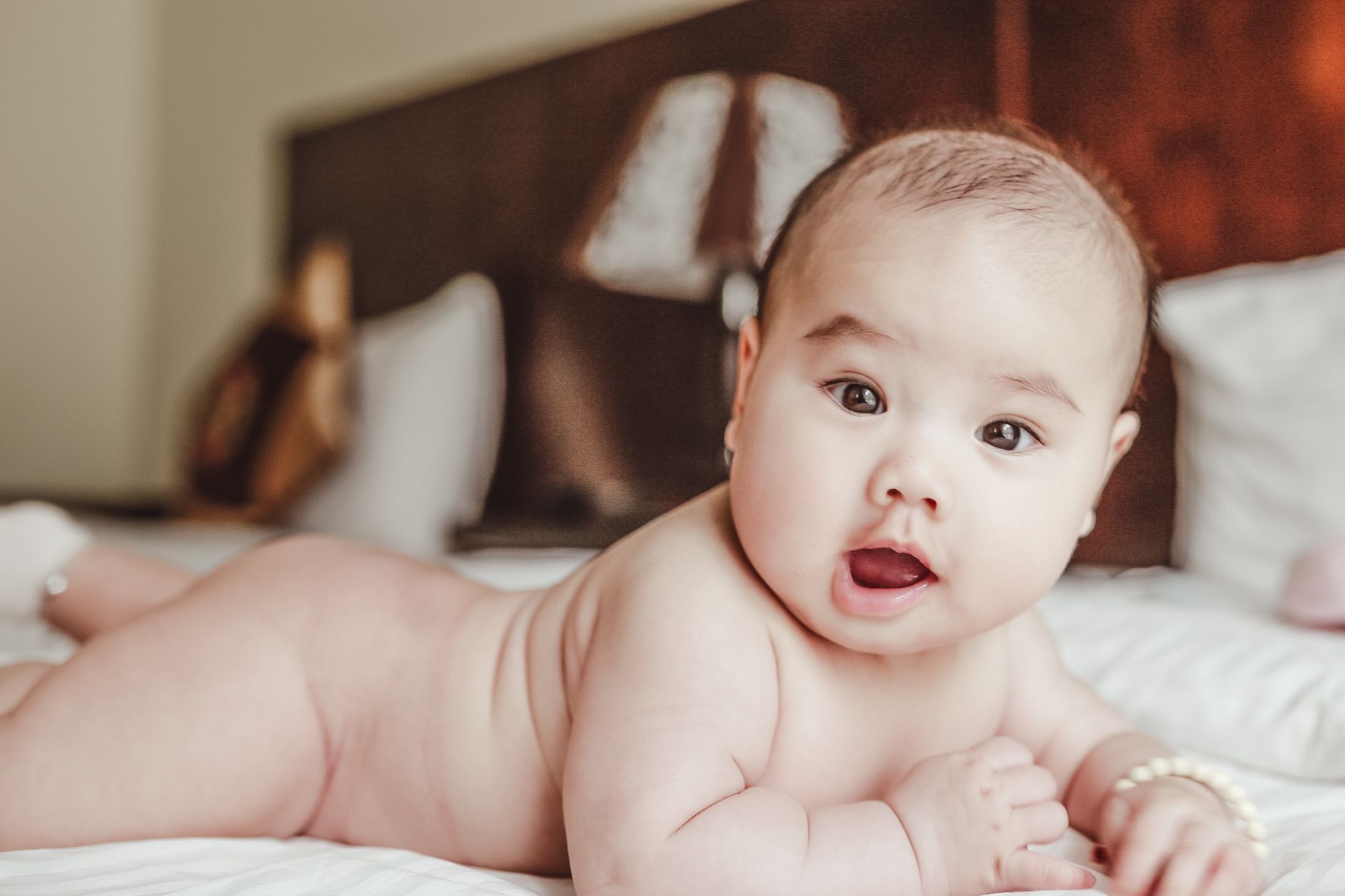
Before we dive into the details, it’s important to set expectations: a predict baby face ai result is a prediction preview, not a guarantee. Genetics are complex. But as a future baby face generator, it can still be a fascinating way to imagine different baby features and expressions.
How the AI Baby Generator Works (and Why It’s Called a Baby Face Predictor AI)
Many people searching for a baby prediction ai tool expect a simple “upload photos, get a baby.” In reality, the best experiences combine multiple steps: face understanding, feature abstraction, and a generative model that produces a new baby-like face output.
Here’s the general flow behind an ai baby predictor concept:
- Photo intake: You provide photos (often of parents or relatives) with clear facial visibility.
- Feature extraction: The system identifies high-level traits like approximate facial shape, eye spacing, smile cues, and skin tone distribution.
- Transformation and generation: It generates a baby face that blends and reinterprets those features in a child-like style.
- Output preview: You receive a result you can view, iterate on, and compare across multiple runs.
Because the tool is oriented around facial outcomes, you’ll often hear related terms like generate baby face from parents, predict baby face ai, and baby face predictor ai. The goal is to help you explore plausible combinations rather than claim medical accuracy.
What affects the result most?
Even within the same ai baby maker, results can vary depending on the quality and variety of the photos. Typically, the biggest drivers are:
- Lighting clarity: Bright, evenly lit photos tend to help the model “see” features better.
- Angle and framing: Straight-on faces usually provide a stronger basis than extreme side profiles.
- Expression: Smiles, neutral expressions, and eye openness can influence the generated expression style.
- Consistency: Using photos from the same general time period and similar resolution can improve coherence.
That’s why a future baby generator experience feels interactive—each run can teach you what kinds of inputs lead to different “baby predictions.”

What Will My Baby Look Like? The “Baby Face Generator” Use Cases
People don’t search for a what will my baby look like answer only once. They come back for different reasons—and the AI Baby Generator can support several fun, creative use cases.
1) A playful first look
Trying a future baby face generator is a lighthearted way to imagine how combined features might show up in childhood. You might focus on eye color impressions, smile shape, or the overall vibe of the generated face.
2) Family comparisons and storytelling
With an ai baby face creator, you can generate a few versions and use them as conversation starters. “This looks more like your side,” or “That smile is so familiar,” become part of the family story.
3) Creative content ideas
Some users treat an ai baby predictor as inspiration for announcements, themed posts, or digital keepsakes. It’s not a forecast—it’s creative visualization.
4) Exploring variations with different inputs
Many photo sets produce different outcomes. If you experiment with different photos—clearer angles, updated images, or alternative relatives—you can compare results as part of the fun.
In other words, this is less “scientific birth prediction” and more “baby prediction ai tool for imagination and curiosity.”
How to Generate Baby Face From Parents Photos (Step-by-Step)
If you’re aiming for the most satisfying output, follow a workflow that works well for most people using a baby generator from parents photos approach. On AIZora, you can access the ai baby maker for free, making it easy to iterate.
- Choose clear parent photos: Select images where both faces are visible with good lighting.
- Pick similar angles when possible: Aim for straight-on or gently angled faces.
- Focus on quality over quantity: A few strong images usually beat a large number of blurry ones.
- Upload and generate: Use the AI Baby Generator to create your baby face preview.
- Review the result: Look for the overall blend—face shape, eye region, and expression style.
- Try a second run with different photos: This is where a what would our baby look like ai experiment becomes interesting.
Best practices for more consistent results
- Use high-resolution photos: Avoid heavy compression and extremely low-light images.
- Remove distractions when you can: Busy backgrounds won’t always ruin results, but clear frames can help.
- Keep facial hair and accessories consistent: If one parent has glasses or a beard in one photo but not another, you may see more variation.
- Avoid extreme filters: Strong beautification, heavy stylization, or unusual effects can confuse a future baby generator.
These tips help you get closer to what you’re picturing when you ask for future baby face generator output—while still expecting creative variation from generative AI.
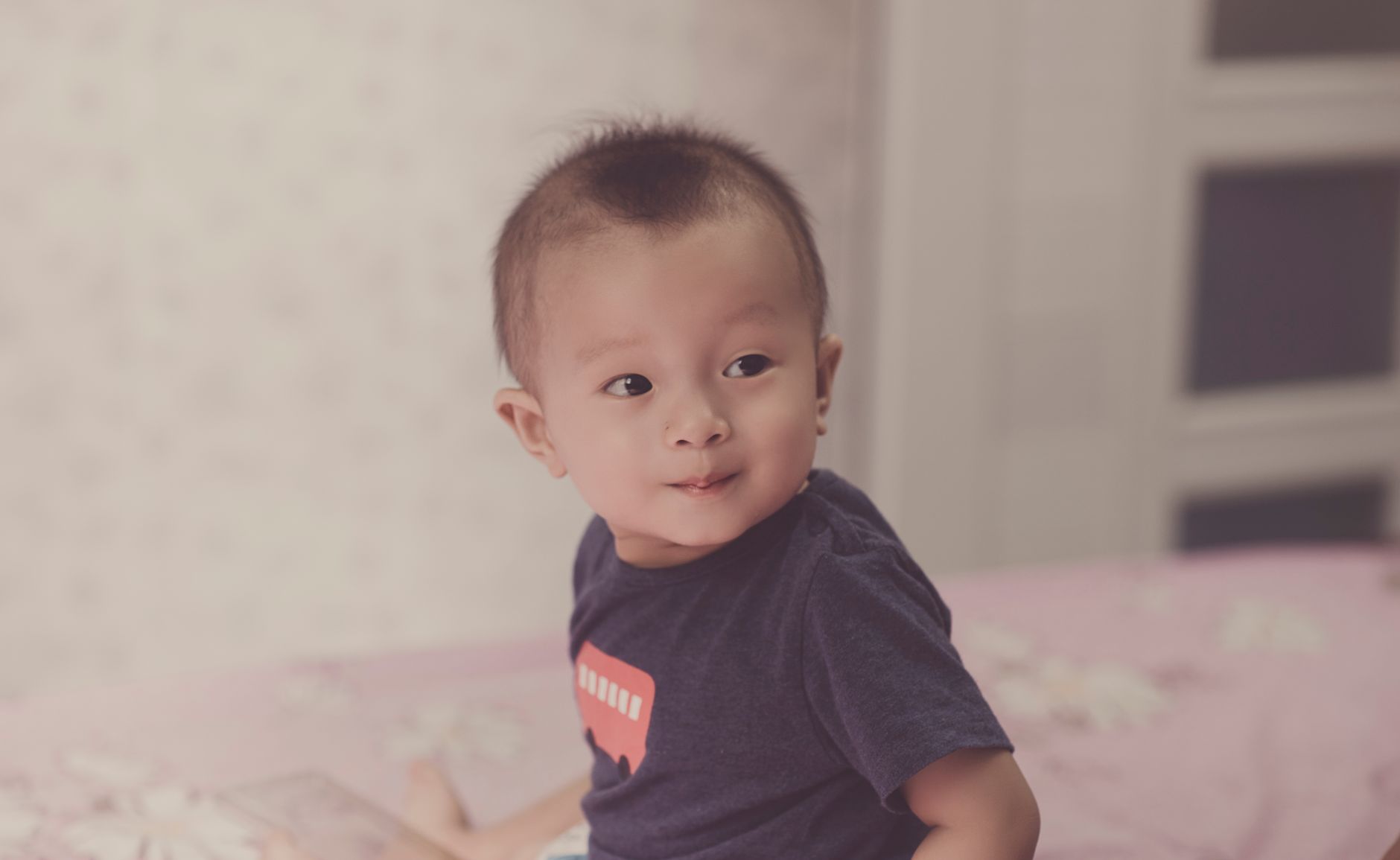
AI Baby Predictor vs. Real Genetics: What This Tool Can (and Can’t) Do
Let’s address the biggest question behind every search like baby prediction ai tool and ai baby predictor: can it predict the real person you’ll meet?
The accurate answer is: not deterministically. A predict baby face ai output is a stylized preview based on patterns the model learns from data and the features it extracts from photos you provide. Real genetics involve countless details beyond what a face image alone can capture.
What you can expect
- Plausible features: The generated face can look like a reasonable blend of parental traits.
- Multiple variations: Different runs can show different expressions or proportions.
- Creative visualization: It helps you imagine “could look like” possibilities.
What you should not expect
- Medical accuracy: This isn’t a health prediction tool.
- Exact identity replication: The result isn’t guaranteed to match a real baby’s eventual appearance.
- Complete genetic coverage: Environment and genetics interact in complex ways that aren’t fully captured by a photo.
Bottom line: Think of the AI Baby Generator as a fun “future baby generator” for imagination—not a definitive biological forecast.
Feature Matrix: Which “Baby Face Generator” Options Are Best?
Not all “AI baby maker” experiences are identical. Some emphasize parent photo blending; others may focus on style or expression tuning. The matrix below shows how you might evaluate a future baby face generator depending on what you want most.
| What you want | Best approach | Why it matters | Keywords to look for |
|---|---|---|---|
| Blend features from parents | Upload parent photos | Improves the “generate baby face from parents” effect | baby generator from parents photos, generate baby face from parents |
| Curious about overall look | Run multiple generations | Variation helps you explore more possibilities | what will my baby look like, what would our baby look like ai |
| Focus on facial prediction style | Use a tool labeled as predictor | Signals that face features are prioritized | ai baby predictor, baby face predictor ai, predict baby face ai |
| Try “future baby” concept as inspiration | Experiment with different photos and expressions | May change expression and proportions in outputs | future baby generator, future baby face generator |
| Create keepsake-style visuals | Generate several results to choose from | You’ll likely prefer one outcome’s vibe | ai baby face creator, ai baby maker |
Tips to Get the Best Results (Quick Checklist)
Want to maximize quality when using an AI Baby Generator? Use this quick checklist before you hit generate.
- Use bright, natural lighting for both parents’ photos.
- Choose photos with clear eyes (eye region is a major visual anchor).
- Aim for a neutral background if possible.
- Include at least one photo per parent where the face is unobstructed.
- Run 2–5 variations to see different blends and expressions.
- Compare results and re-run with improved photos if anything seems off.
Common mistakes to avoid
- Over-filtered images: Heavy beauty filters can reduce feature consistency.
- Low resolution: Blurry faces make it harder for the system to extract details.
- Too many mismatched angles: If one photo is a full profile and another is front-facing, variation may spike.
- Obstructions: Hats, sunglasses, and hands near the face can interfere with facial understanding.
These best practices make your baby prediction ai tool session smoother and more enjoyable.
Video Preview: How the AI Baby Generator Experience Feels
If you like understanding the flow before you try it, here’s a short preview of the kind of interactive experience you can expect from an ai baby face creator.
Conclusion: Try the AI Baby Generator on AIZora (Free)
Wondering what will my baby look like is one of those questions that mixes curiosity, love, and a little imagination. With the AI Baby Generator on AIZora, you can explore a future baby generator experience that blends parental features using AI—creating a baby face predictor ai style preview you can iterate on.
Whether you came for a baby prediction ai tool for fun, a baby face generator for storytelling, or simply to test “what would our baby look like ai” possibilities, this ai baby maker is a playful way to generate ideas and choose a favorite outcome.
Ready to try? Access the AI Baby Generator on AIZora for free, upload photos, and generate your best “future baby face” preview. And remember: it’s a prediction preview—so enjoy the possibilities, not the certainty.