Introduction: AI for Business That Turns Ideas Into Action

AI for business is no longer a futuristic concept—it’s a practical advantage for teams that need clarity, speed, and consistency. The real power isn’t just “writing with AI.” It’s smart AI writing that means business: turning rough goals into structured strategies, converting messy notes into a real plan, and producing AI-powered business insights you can use immediately.
In this guide, we’ll focus on how an AI business strategy generator and AI business plan creator can support everything from strategy to execution. You’ll learn how to use an AI business advisor tool or a business strategy AI assistant to develop AI business recommendations, document your assumptions, and create an operating roadmap—often in minutes rather than weeks.
Bonus: You can access these capabilities for free on AIZora, making it easier to test artificial intelligence business solutions before committing.
Why AI for Business Works: From Smart Drafts to Real Strategy
Traditional business planning is frequently slowed down by blank pages, fragmented research, and inconsistent internal processes. AI for business changes that by acting like a structured assistant—helping you:
- Start faster: Generate first drafts of strategy and planning documents based on your inputs.
- Think more clearly: Translate goals into measurable objectives, assumptions, and decision points.
- Reduce friction: Standardize how teams write, review, and refine business content.
- Improve consistency: Ensure your strategy aligns across marketing, operations, finance, and customer needs.
- Move from “idea” to “plan”: Convert notes into a usable structure that supports execution.
That’s the essence of artificial intelligence business solutions: not replacing human expertise, but accelerating the work that usually consumes the most time—research synthesis, strategy framing, and drafting operational documents.
How an AI Business Strategy Generator Builds a Winning Roadmap
An AI business strategy generator helps you define the “what” and “why” behind your business direction. But the best results come when you treat the output as a foundation—something your team can validate, refine, and apply.
What you can generate (and why it matters)
- Business goals and priorities: Clear outcomes tied to timelines and resources.
- Target customer and positioning: Stronger focus on who you serve and how you differentiate.
- Go-to-market strategy: Messaging, channels, and early execution steps.
- Competitive analysis structure: A consistent way to capture what matters (and what to ignore).
- Key risks and mitigations: A plan that acknowledges uncertainty instead of pretending it doesn’t exist.
Best practices to get better strategy drafts
- Provide constraints upfront: Budget, timeline, headcount, and geographic scope.
- Define success metrics: Revenue targets, conversion rates, retention goals, or cost reductions.
- List assumptions explicitly: AI helps you articulate assumptions—then you can challenge them.
- Use your own research: Share notes, competitor links, survey outcomes, or pricing data you already have.
- Iterate with review prompts: Ask the system to “strengthen differentiation” or “stress-test this assumption.”
When used well, a business strategy AI assistant acts like a repeatable strategy workflow—not a one-off prompt.
AI Business Planning Tool: Turning Strategy Into a Deliverable
Many teams can generate ideas. Fewer teams can produce a coherent plan that can be executed. An AI business planning tool bridges that gap by organizing strategy into document-ready components.
What “good planning” looks like
To be useful, your plan should include more than narrative. It should answer operational questions and reduce decision uncertainty. With an AI business plan creator, you can structure content around:
- Executive summary: A concise story that stakeholders can scan.
- Market and customer overview: Clear understanding of demand drivers.
- Offer and differentiation: What you sell, who it’s for, and why it wins.
- Marketing plan: Channel strategy, messaging, and campaign cadence.
- Operations plan: Delivery model, workflows, and capacity assumptions.
- Financial plan outline: Revenue drivers, cost categories, and scenario thinking.
- Milestones and KPIs: Weekly or monthly markers for progress.
Tips for professional, stakeholder-ready outputs
- Match formatting to your audience: Investors want clarity; internal teams want steps.
- Keep language measurable: Replace vague goals with numbers or targets.
- Document ownership: Who is responsible for each section and next action?
- Include a review cadence: AI drafts are a starting point—schedule validation and revisions.
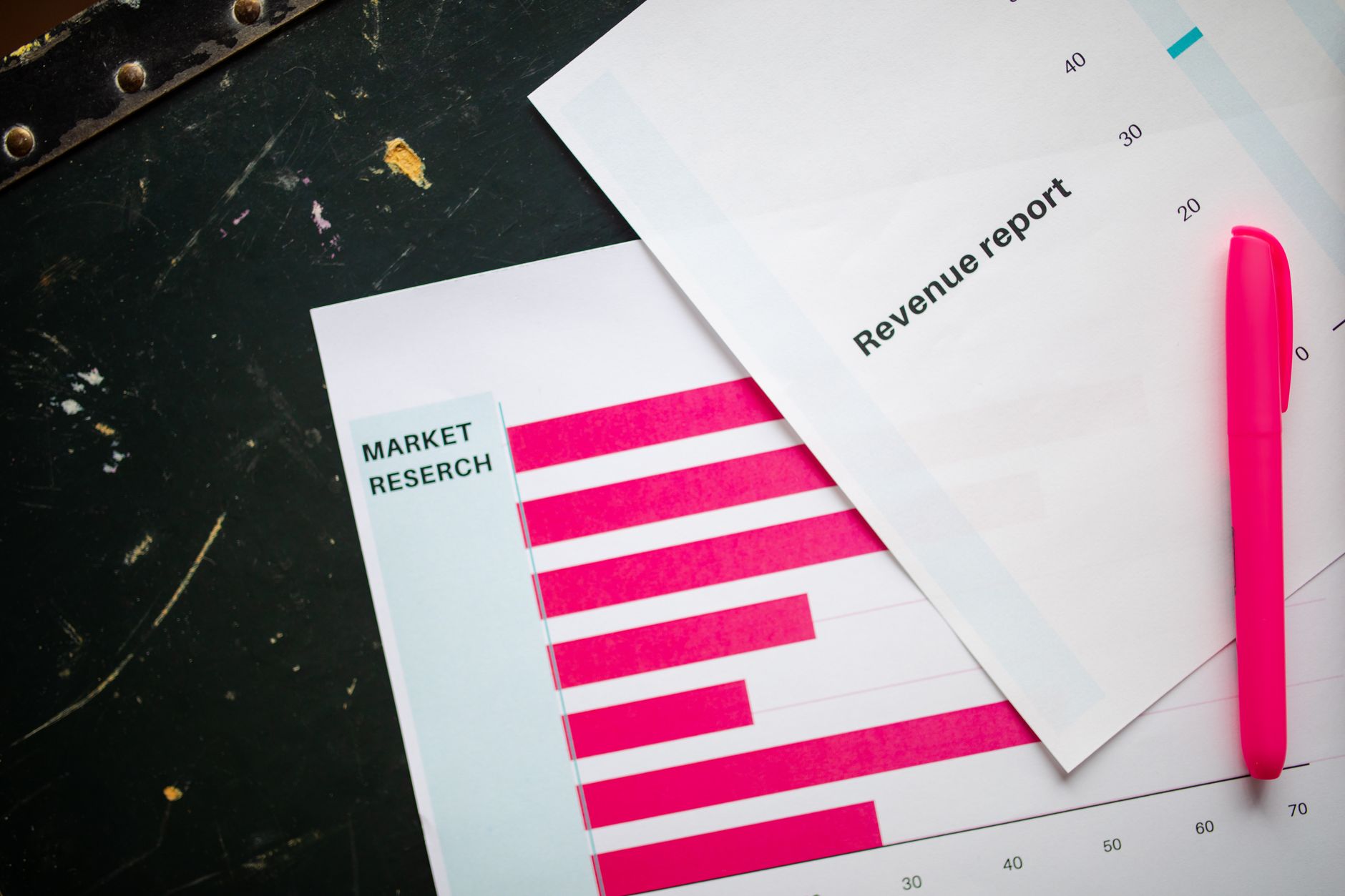
AI-Powered Business Insights: Making Data Useful (Not Just Available)
Data alone doesn’t drive decisions—interpretation does. That’s where AI-powered business insights help. Instead of dumping numbers into a spreadsheet, AI can translate patterns into recommendations and next steps.
Where AI insights add value
- Customer understanding: Identify segments and likely motivations based on your input.
- Demand drivers: Clarify which factors influence conversion, retention, and expansion.
- Go-to-market assumptions: Help you test whether your channel strategy fits your customer reality.
- Performance hypotheses: Turn “we think” into structured experiments with measurable outcomes.
How to ask for insights that drive action
If you’re using an AI business advisor tool, try prompts that end with decision requests. For example:
- “Given these inputs, what are the top three growth bottlenecks and how should we test each?”
- “Which KPI is most likely to move in the first 30 days, and what levers affect it?”
- “Create a risk register with mitigation steps for our pricing and acquisition plan.”
These outputs become part of your execution loop—supporting AI for small business growth and helping larger organizations align strategy across teams.
AI Business Recommendations: From Draft Text to Concrete Next Steps
Great strategy writing is helpful, but growth requires action. An AI business advisor tool can produce AI business recommendations that read like a consultative playbook: what to do, why it matters, and how to measure it.
Common recommendation categories
- Positioning improvements: Sharpen messaging and differentiate more clearly.
- Channel prioritization: Focus on the highest-leverage marketing paths first.
- Offer refinement: Adjust packaging, pricing, or bundling based on objectives.
- Operational changes: Improve delivery processes or reduce friction in fulfillment.
- Customer retention plays: Strengthen lifecycle messaging and support workflows.
Best practices for using AI recommendations responsibly
- Validate with real-world evidence: Treat recommendations as hypotheses to confirm.
- Avoid copying blindly: Ensure your voice, values, and strategy constraints are represented.
- Prioritize by impact and effort: Use a simple scoring approach to select what to do next.
- Turn each recommendation into an experiment: Define an owner, timeline, and success metric.
| Business Need | AI Capability | Typical Output | Best For |
|---|---|---|---|
| Start strategy quickly | AI business strategy generator | Goals, positioning outline, go-to-market structure | Founders, teams defining direction |
| Produce a usable plan | AI business plan creator | Document sections, milestones, KPIs, assumptions | Stakeholders, internal execution |
| Interpret what data means | AI-powered business insights | Patterns, hypotheses, bottlenecks, testing ideas | Decision-making and prioritization |
| Get consultative guidance | AI business advisor tool | AI business recommendations and action steps | Teams needing a “business consulting AI” workflow |
| Align planning across functions | Business strategy AI assistant | Consistent strategy-to-execution mapping | Cross-functional alignment |
| Scale planning for small teams | AI business planning tool | Repeatable templates, quick iterations | AI for small business growth |
AI Business Advisor Tool in Practice: A Simple Workflow
Here’s a practical, repeatable workflow you can use whether you’re building a new venture or improving an existing operation with artificial intelligence business solutions.
Step-by-step process
- Collect your inputs: Current offer, pricing, customer segments, goals, constraints, and any existing notes or documents.
- Generate a strategy outline: Use an AI business strategy generator to draft positioning, channels, and key priorities.
- Convert to a plan: Feed the strategy into an AI business planning tool to create a deliverable with milestones and KPIs.
- Request AI-powered insights: Ask for bottlenecks, assumptions, and what to test first.
- Finalize recommendations: Use AI business recommendations to build an action backlog and experiment plan.
- Review and iterate: Validate with internal stakeholders and refine with real data.
Where AIZora fits (and why free access matters)
If you want to try these capabilities without risk, AIZora offers free access to explore how an AI business advisor tool and planning workflows can support your goals. It’s a smart way to test fit, improve your prompts, and decide what to formalize.
Conclusion: Smart AI Writing That Means Business
AI for business is about speed, structure, and better decisions—not just generating text. With the right tools, an AI business strategy generator and an AI business plan creator can help you create a roadmap that teams can execute. Add AI-powered business insights and AI business recommendations, and you get an approach that feels like having a consultative partner—often summarized as a business strategy AI assistant or business consulting AI.
Whether you’re pursuing AI for small business growth, building a go-to-market plan, or preparing investor-ready documentation, the goal stays the same: turn strategy into action. Try it on AIZora with free access, iterate your prompts, and let AI-powered business insights strengthen your next decisions.
Ready to move faster? Use an AI for business approach to generate your first draft today, then refine it with your team’s expertise and real-world validation.