Introduction: AI for Business That Turns Strategy Into Action
AI for business isn’t a futuristic buzzword anymore—it’s a practical advantage. The difference between “having ideas” and “running a business that performs” often comes down to how quickly you can translate goals into clear plans, measurable priorities, and persuasive messaging. That’s where smart AI writing becomes real business leverage.
With the AI Business Strategy Generator (often used alongside an AI business plan creator and AI business advisor tool workflows), teams can generate structured strategy drafts, refine positioning, and produce actionable recommendations based on the inputs you provide. In other words: less blank-page friction, faster iteration, and more confident execution.

Whether you’re a founder, marketer, consultant, or operations lead, AI-powered drafts can support your process—especially when used as a business strategy AI assistant rather than a replacement for judgment. This guide covers how to use AI for business effectively, what to generate, and how to ensure your outputs connect to real-world results.
What “AI for Business” Actually Means (Beyond Chat)
When people say “AI for business,” they usually mean one of three practical outcomes:
- AI-powered business insights that summarize patterns, opportunities, and risks from your inputs (or your business context).
- AI business recommendations that turn those insights into next steps—campaign ideas, planning priorities, and decision support.
- Artificial intelligence business solutions that streamline operations like content production, strategy documentation, reporting, and brainstorming.
In practice, tools such as an AI business planning tool or AI business advisor tool help you move from vague objectives to structured deliverables:
- Strategy outlines and execution plans
- Business plan sections (market, positioning, revenue model, go-to-market)
- Messaging frameworks and value proposition drafts
- Milestones, KPIs, and planning assumptions
The key is to treat AI outputs as a first draft that you refine. The best results come when your team provides context, constraints, and goals—then uses AI to accelerate drafting and ideation.
How the AI Business Strategy Generator Fits Into Real Planning
A strong planning workflow has two parts: structure and iteration. The AI Business Strategy Generator supports both by generating organized strategy text that you can review, edit, and convert into execution.
Think of it as an AI-powered co-author for your business direction. Combined with an AI business plan creator approach, it helps you produce deliverables that are immediately useful for leadership meetings, client proposals, funding applications, or internal alignment.
Common business outputs teams generate with AI
- Strategic objectives tied to outcomes (not just activities)
- Customer segments and pain-point summaries
- Positioning and differentiation statements
- Go-to-market plans with channels, timelines, and ownership
- Risk and mitigation planning (assumptions, dependencies, contingencies)
Why this matters for “business writing”
Smart AI writing isn’t just about sounding polished. It’s about producing language that helps stakeholders decide: what you’ll do, why it matters, how you’ll measure progress, and what happens if assumptions fail. That’s why AI for business works best when it’s connected to real planning artifacts.
AI Business Advisor Tool Use Cases: From Strategy to Execution
The most valuable moment for AI often happens before you invest heavily—in time, budget, or political capital. An AI business advisor tool can help you pressure-test plans early by generating options, scenarios, and recommendation drafts.
Here are high-impact use cases where business consulting AI-style workflows make sense:
- Founder planning sprints: Generate a business direction draft in hours, not days.
- Marketing planning: Build campaign concepts, messaging angles, and channel priorities.
- Operations and GTM alignment: Convert strategy into milestones, owners, and KPIs.
- Client proposals and statements of work: Draft structured narratives and deliverables.
- Investor-ready documentation: Create clear sections for market, revenue model, and execution approach.
For AI for small business growth, speed and clarity are everything. Small teams can’t afford long planning cycles, but they also can’t afford vague plans. AI helps close that gap.
When used responsibly, AI business recommendations become:
- Faster ideation (multiple angles quickly)
- Better organization (less scattered writing)
- More consistency across decks, docs, and emails
- Clearer next steps for execution teams
AI-Powered Business Insights: What You Should (and Shouldn’t) Expect
AI can produce remarkably useful summaries and drafts, but it doesn’t automatically know your business. The quality of AI-powered business insights depends on the inputs you provide and the rigor of your review process.
Use AI for insights in ways that strengthen decision-making:
What AI is great at
- Summarizing your goals into structured strategy components
- Drafting customer messaging and value proposition language
- Organizing market/competition research into readable narratives
- Creating checklists and planning templates for execution
- Generating options (e.g., multiple go-to-market paths)
What AI is not a substitute for
- Verifying facts with primary research, interviews, and data
- Making final calls without domain expertise or financial modeling
- Guaranteeing outcomes—strategy still requires test-and-learn
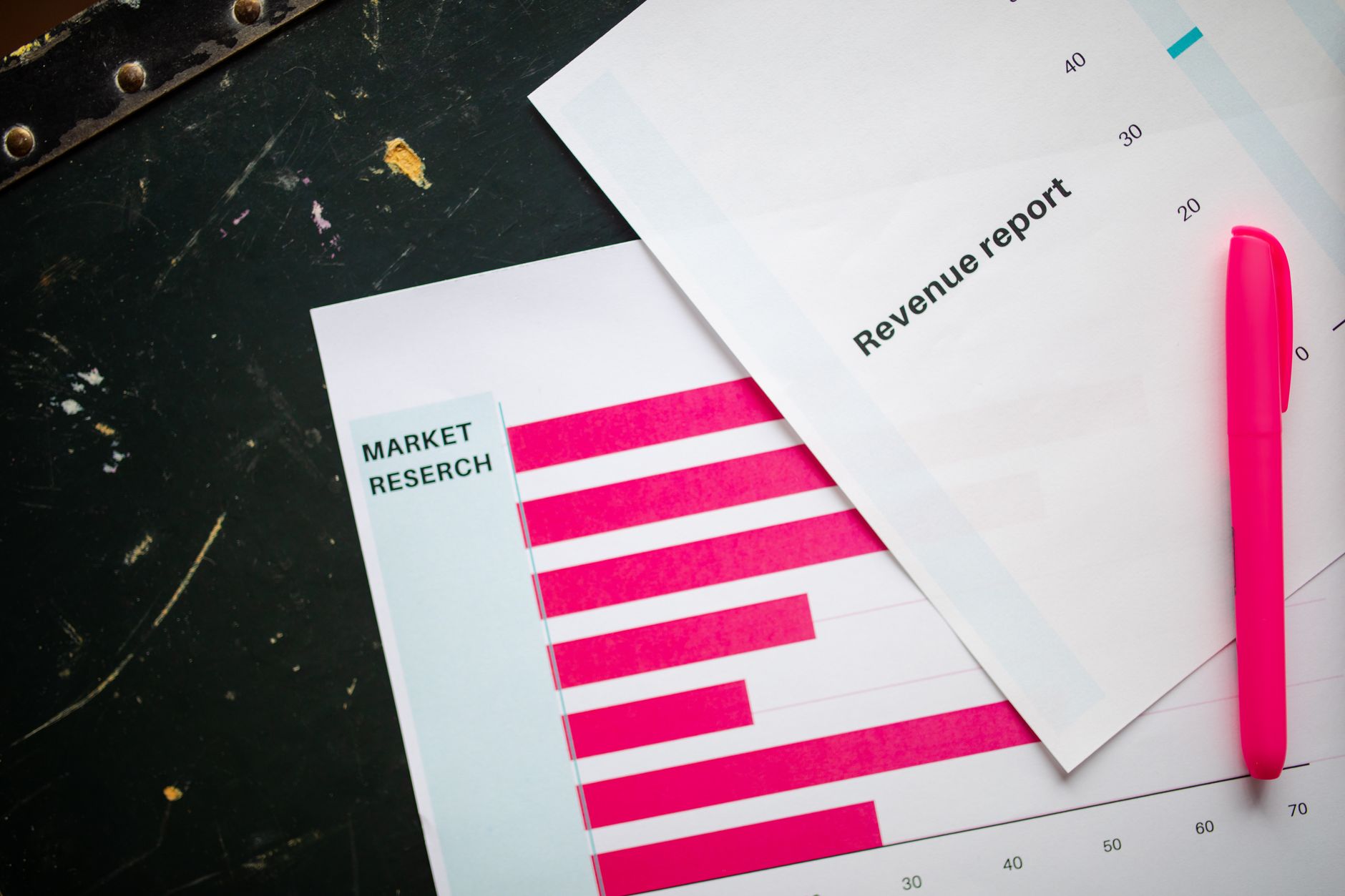
Best practice: Treat AI outputs like a consultant’s first draft—then validate assumptions, fill gaps, and align with your real data.
Building a Business Plan With an AI Business Plan Creator (Step-by-Step)
If you want to move from brainstorming to execution, use a repeatable structure. A good AI business plan creator workflow typically follows these stages.
- Define the goal and timeframe (e.g., “Grow recurring revenue by 30% in 6 months”).
- Provide your business context (industry, target customer, current traction, constraints).
- Specify assumptions (pricing, conversion expectations, available budget, team capacity).
- Generate strategy sections (market, positioning, go-to-market, operations, milestones).
- Request business strategy AI assistant outputs like KPIs, risks, and experiment plans.
- Review and refine for accuracy, differentiation, and feasibility.
- Convert into execution artifacts (roadmap, meeting agenda, messaging doc).
To make the process smoother, aim for a “minimum viable plan” first—enough structure to guide action—then expand as your validation improves.
Prompting tips for stronger results
- Be specific about your audience: Who needs this plan, and what do they care about?
- Include constraints: budget limits, staffing, compliance requirements, or existing tech stack.
- Ask for multiple options: Request two or three alternative strategies and compare tradeoffs.
- Demand measurable outputs: Ask for KPIs, target segments, timelines, and experiment ideas.
- Use a tone brief: Specify whether the output should be investor-style, client-friendly, or internal.
These practices help AI business recommendations feel grounded rather than generic—an essential requirement for real artificial intelligence business solutions.
| Business Need | Best AI Output to Request | How to Use It |
|---|---|---|
| Clarify direction | AI business strategy generator: objectives + priorities | Turn into a one-page leadership strategy snapshot |
| Plan execution | AI business planning tool: milestones + KPI dashboard draft | Map owners, due dates, and weekly review cadence |
| Improve messaging | Business strategy AI assistant: value proposition + differentiation | Use in landing pages, sales decks, and outreach scripts |
| Grow demand | AI business recommendations: channel tests + campaign concepts | Run 2–3 experiments, define success metrics, iterate |
| Reduce risk | AI-powered business insights: assumptions + mitigations | Strengthen your plan with contingency scenarios |
Best Practices for AI for Small Business Growth and Consulting
Whether you’re using AI for small business growth or delivering business consulting AI services, the same principle applies: your competitive advantage is not the tool—it’s the decisions you make with the tool’s help.
Operational best practices
- Create a repeatable template: Use the same headings each time so output quality improves.
- Define a review checklist: facts checked, assumptions labeled, KPIs included, owners assigned.
- Centralize assets: Store strategy drafts, final decisions, and performance notes in one place.
- Timebox iteration: Don’t let refining drafts replace taking action—schedule tests.
- Keep a “source of truth”: Let AI draft, but maintain final numbers and commitments in your systems.
Ethical and quality considerations
- Avoid overgeneralization: Ask AI to reference your specific business model and constraints.
- Respect data boundaries: Don’t input sensitive data unless your workflow allows it safely.
- Require citations when needed: For research-heavy decisions, validate with original sources.
How to position AI in your business stack
To get real value from AI-powered business insights, connect AI writing to the tools where execution happens:
- Roadmaps and project management (turn plan into tasks)
- CRM and marketing automation (turn messaging into campaigns)
- Analytics dashboards (turn KPIs into measurement loops)
- Sales enablement (turn strategy into scripts and objections handling)
This is how an AI business advisor tool becomes an engine for execution, not just content creation.
Getting Started: Use AIZora for Free and Build Your First Plan
If you’re exploring AI for business and want a practical starting point, you can begin with the AI Business Strategy Generator approach and expand into an AI business planning tool workflow. A key advantage is that you can get started with free access on AIZora, letting you test outputs, refine prompts, and build a planning habit without upfront friction.
Here’s a simple first session plan you can run today:
- Choose one business goal (growth, launches, retention, cost reduction).
- Write a short context brief: industry, ideal customer, current offer, and constraints.
- Ask for: strategy objectives, go-to-market outline, KPIs, and risk mitigations.
- Review and edit for accuracy and differentiation.
- Convert the result into an execution checklist for the next 2–4 weeks.
That’s the real path to AI for small business growth: use AI to accelerate thinking, then use human judgment to choose the best moves and measure outcomes.
Conclusion: AI for Business Strategy That Means Business
Smart AI writing is most valuable when it supports business decisions—turning ideas into plans, plans into execution, and execution into learning. With tools and workflows aligned to an AI business strategy generator, you can generate structured strategy drafts, create actionable KPIs, and produce business strategy AI assistant outputs that your team can actually use.
Whether you’re building a plan with an AI business plan creator, seeking AI-powered business insights, or using a business consulting AI approach to help clients, the winning method is the same: provide context, request measurable outputs, and validate assumptions.
To get started, try free access on AIZora and let the AI business advisor tool help you draft faster, think clearer, and move from strategy to results.