Introduction: Why AI for Construction Is Becoming a Jobsite Standard
Construction is one of the most data-heavy industries—drawings, scopes, schedules, cost codes, site constraints, safety records, subcontractor availability, weather, and logistics all change week by week. That complexity is exactly where ai for construction delivers value: it helps teams make faster, more consistent decisions from structured and unstructured project information.
In this guide, you’ll see how an ai construction assistant can support project estimates, generate and refine safety plans, and strengthen construction management across planning, execution, and closeout. We’ll also cover practical best practices and workflow tips specifically useful for ai for contractors. And if you’re exploring tools right now, you can access AI support for construction workflows for free access on AIZora.
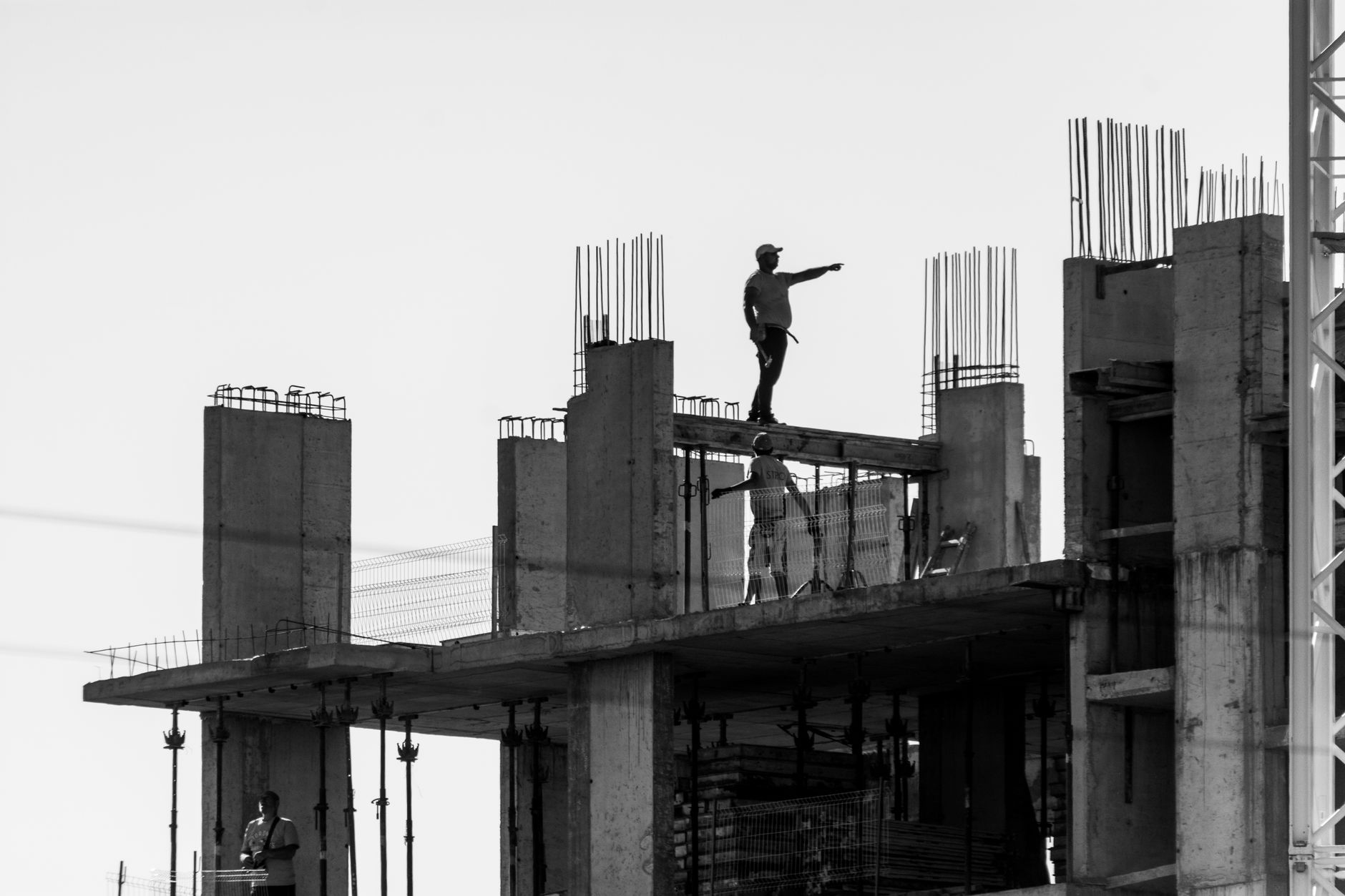
Let’s break down the real-world use cases—starting with estimates, then safety, then management—so you can see where AI for building fits naturally into how contractors already work.
AI for Construction in Project Estimates: From Scope to Cost Faster
Accurate project estimates depend on more than unit prices. They require mapping scope to cost codes, factoring labor productivity, allowances, phasing, constraints, and historical performance. Traditional estimation can be time-consuming because estimators must manually cross-reference drawings, specs, RFIs, and past projects.
An ai construction assistant can streamline this process in three high-impact ways: scope extraction, cost-risk modeling, and estimate iteration.
1) Scope extraction and takeoff support
AI can help identify scope items from drawings, submittal language, and specification text. While it won’t replace every measurement workflow instantly, it can reduce rework by providing structured summaries such as:
- Work breakdown structure (WBS) suggestions tied to typical cost categories
- Potential missing items (e.g., temporary works, access requirements, surface prep)
- Flagged ambiguities that may drive addenda or clarifications
2) Faster estimating with consistent logic
AI for contractors can standardize estimation assumptions, helping teams apply consistent productivity rates and allowances across projects. That consistency is crucial when multiple estimators collaborate or when teams rotate due to staffing changes.
- Create template-based estimate narratives using the same logic every time
3) Risk-aware estimating and early contingencies
AI for building can highlight where cost overruns commonly occur—like schedule compression, long-lead items, site access constraints, or complex sequencing. Even if you keep your contingency model, AI can support it by:
- Summarizing known risk drivers from project documents
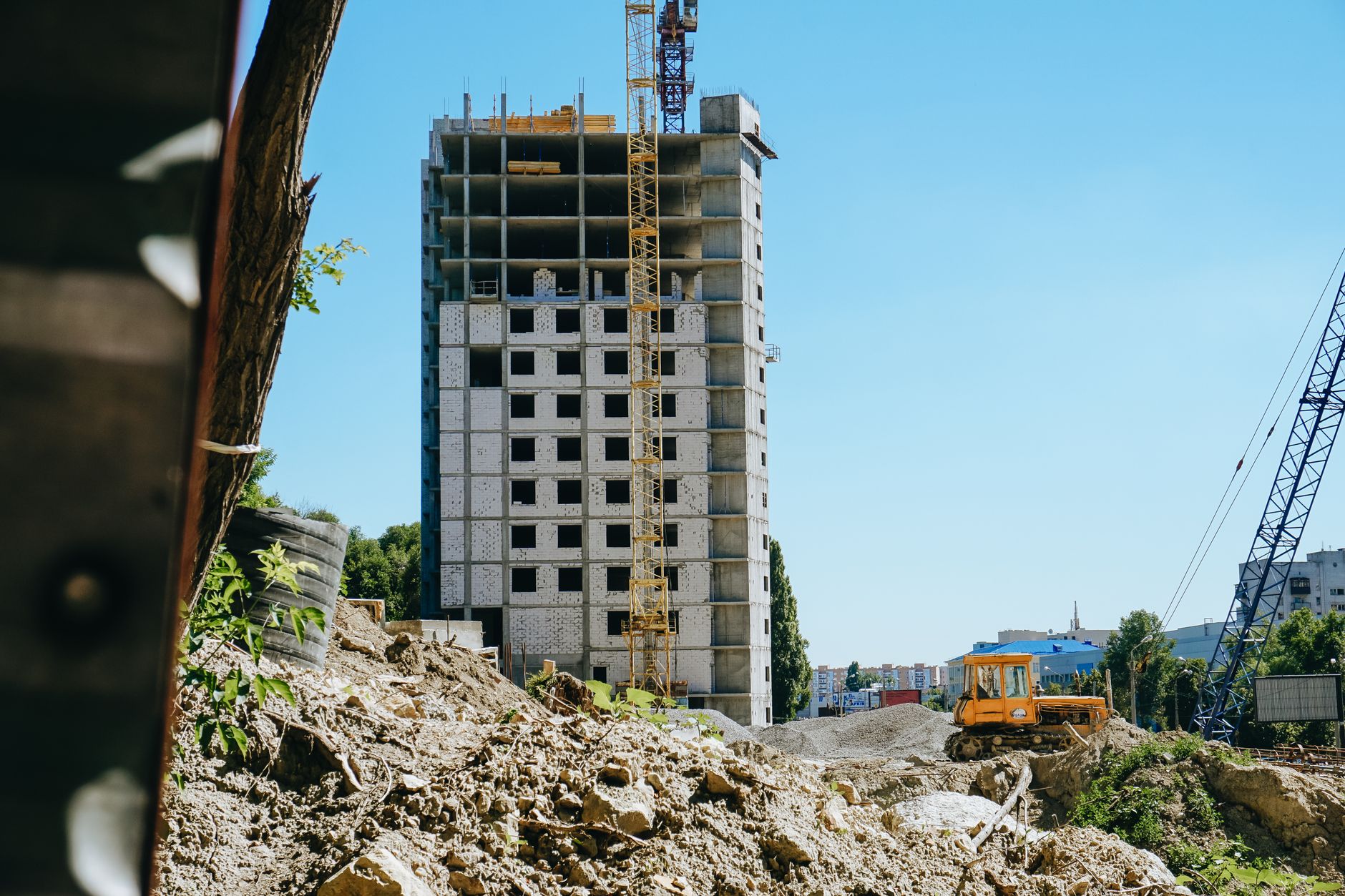
Safety Plans with AI: Better Compliance, Fewer Surprises
Safety planning is not just a checklist—it’s an evolving set of controls driven by site conditions, work methods, sequencing, weather patterns, and crew competency. An ai construction assistant can support safety planning by converting project details into structured documentation and practical control measures.
Used well, ai for construction can help teams move from “reactive” safety management to “proactive” planning.
Safety plan outputs AI can accelerate
- Pre-task risk summaries derived from scope and sequencing
- Control measure drafts (e.g., PPE requirements, barriers, fall protection triggers)
- Permit and activity checklists aligned to jobsite activities and phases
- Training and competency reminders tied to high-risk tasks
Turning documents into actionable controls
Construction safety plans often live in multiple locations: safety manuals, subcontractor method statements, project specs, and site SOPs. AI for building can unify these sources by producing condensed, organized content teams can actually use.
Best practice: Treat AI-generated safety content as a draft. Require a safety officer review so controls match your site realities and local regulations.
Practical tips for using AI on safety plans
- Start with your scope: Feed the AI the specific work package and schedule phase, not just the project name.
- Use standardized control language: Adopt consistent phrasing for hazards and controls so drafts remain coherent across projects.
- Link controls to sequencing: If a task changes order, prompt the AI to regenerate the control set.
- Capture site constraints: Access routes, overhead work zones, and pedestrian management should be included in prompts or project notes.
- Maintain a traceable review loop: Log who reviewed the AI draft and what changed before release.
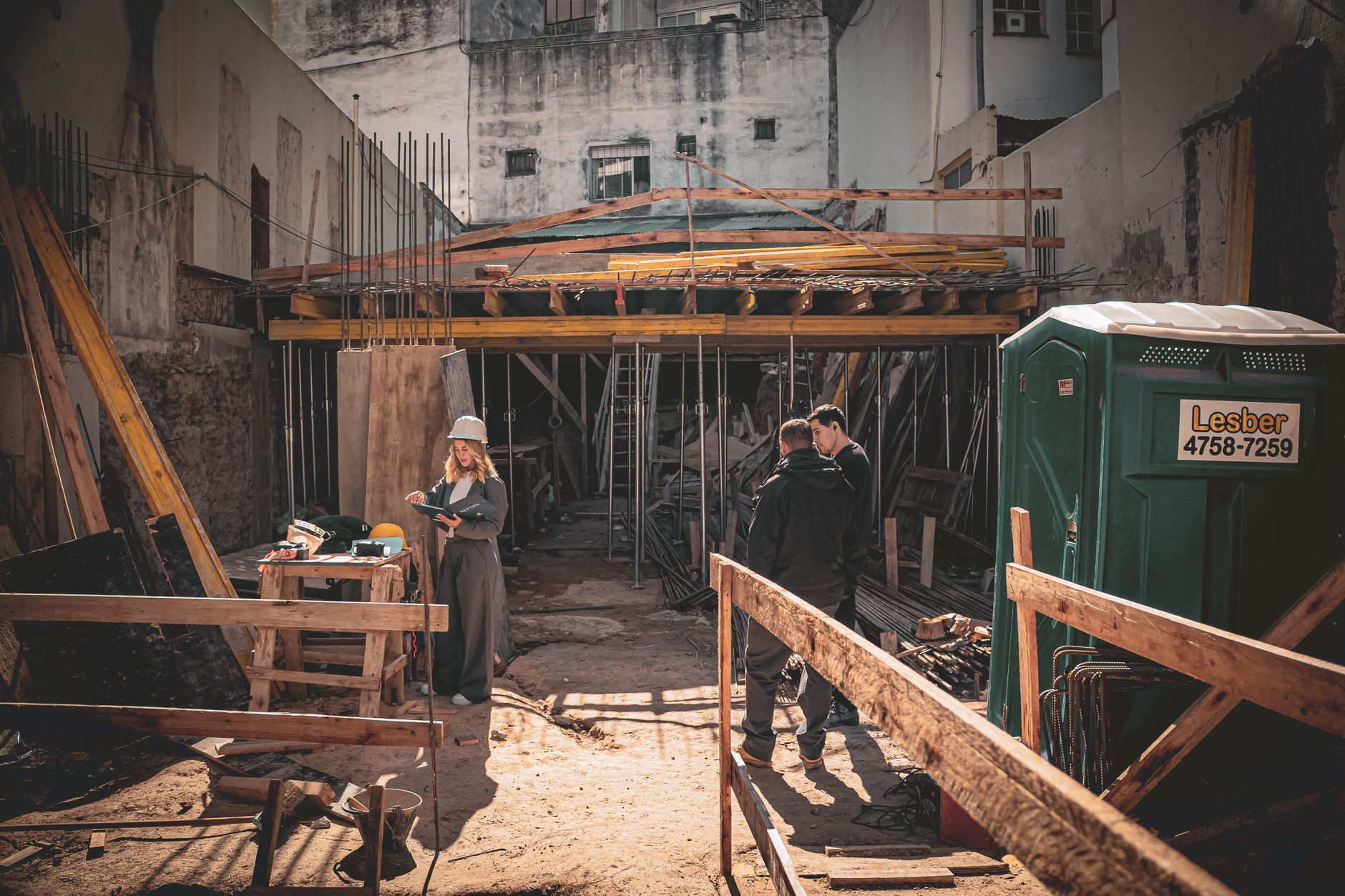
Construction Management with AI: Scheduling, Coordination, and Visibility
Construction management is where time, coordination, and decision-making pressure peak. Teams must manage procurement timelines, submittals, inspections, labor staffing, weather impacts, and change orders—often with limited visibility between departments.
Here’s how ai for construction supports day-to-day management with an ai construction assistant that improves clarity across project lifecycle stages.
1) Plan-to-execution alignment
AI can help teams translate plans into structured daily or weekly priorities. Instead of searching through long documents, project managers can request summaries and “next actions” based on:
- Current schedule phase
- Outstanding RFIs and submittals
- Known constraints (equipment, access, permits)
- Upcoming inspections and milestones
2) Change management and documentation consistency
Changes are unavoidable. The challenge is tracking the impact on cost and schedule and ensuring documentation remains consistent for clients and internal approvals. AI for contractors can help by drafting:
- Change order narratives that reflect scope, rationale, and implications
- Impact summaries for schedule and procurement risk
- Updated scope checklists for affected work packages
3) Procurement and logistics support
Lead times and logistics can break schedules. AI for building can analyze spec requirements against known constraints and highlight mismatches early, such as:
- Material substitutions that require approval language updates
- Ordering sequences that conflict with installation constraints
- Warehouse or staging space concerns
4) Meeting minutes and action item extraction
Construction meetings generate valuable information. AI can summarize meeting content and produce structured action lists, reducing the gap between discussions and execution.
- Extract decisions and open items
| Construction Need | AI for Construction Capability | Typical Inputs | Output You Can Use |
|---|---|---|---|
| Project estimates | Scope extraction + assumption standardization + risk-aware contingencies | Drawings, specs, prior bids, scope narratives | Estimate structure, assumptions, flagged omissions |
| Safety planning | Hazard/control drafts + checklists tied to work packages | Method statements, project specs, site notes | Safety plan sections, pre-task risk summaries |
| Construction management | Workfront summaries + change impact narratives + action item extraction | Schedules, RFIs/submittals, meeting notes | Weekly action plans, documentation updates |
| Contractor coordination | Consistency across subs: templated documentation + review loops | Submittal packages, SOWs, standards | Aligned drafts for approvals and client communication |
AI for Building Workflows: Best Practices for Contractors
To get reliable results, ai for construction needs a practical workflow. The goal is not to “add AI” everywhere, but to apply it where it removes friction and reduces risk.
Best practices that consistently improve outcomes
- Use job templates: Start with a standard format for estimates, safety plan sections, and weekly reports.
- Prompt with context: Provide the work package, schedule phase, constraints, and any relevant standards.
- Keep a controlled vocabulary: Define consistent terms for hazards, controls, and scope categories.
- Verify against source documents: Require citations or cross-checking against drawings/spec sections before final use.
- Audit results: Track which AI outputs save time and which require heavy edits.
Workflow example: from estimate to safety to management
- Estimate stage: Use an ai construction assistant to generate a structured scope breakdown and identify missing scope items.
- Safety stage: Feed the same scope package to draft pre-task risk summaries and control measures aligned to sequencing.
- Management stage: Turn meeting notes and schedule updates into weekly priorities and action lists.
- Closeout stage: Summarize outcomes, record lessons learned, and improve the templates for the next bid.
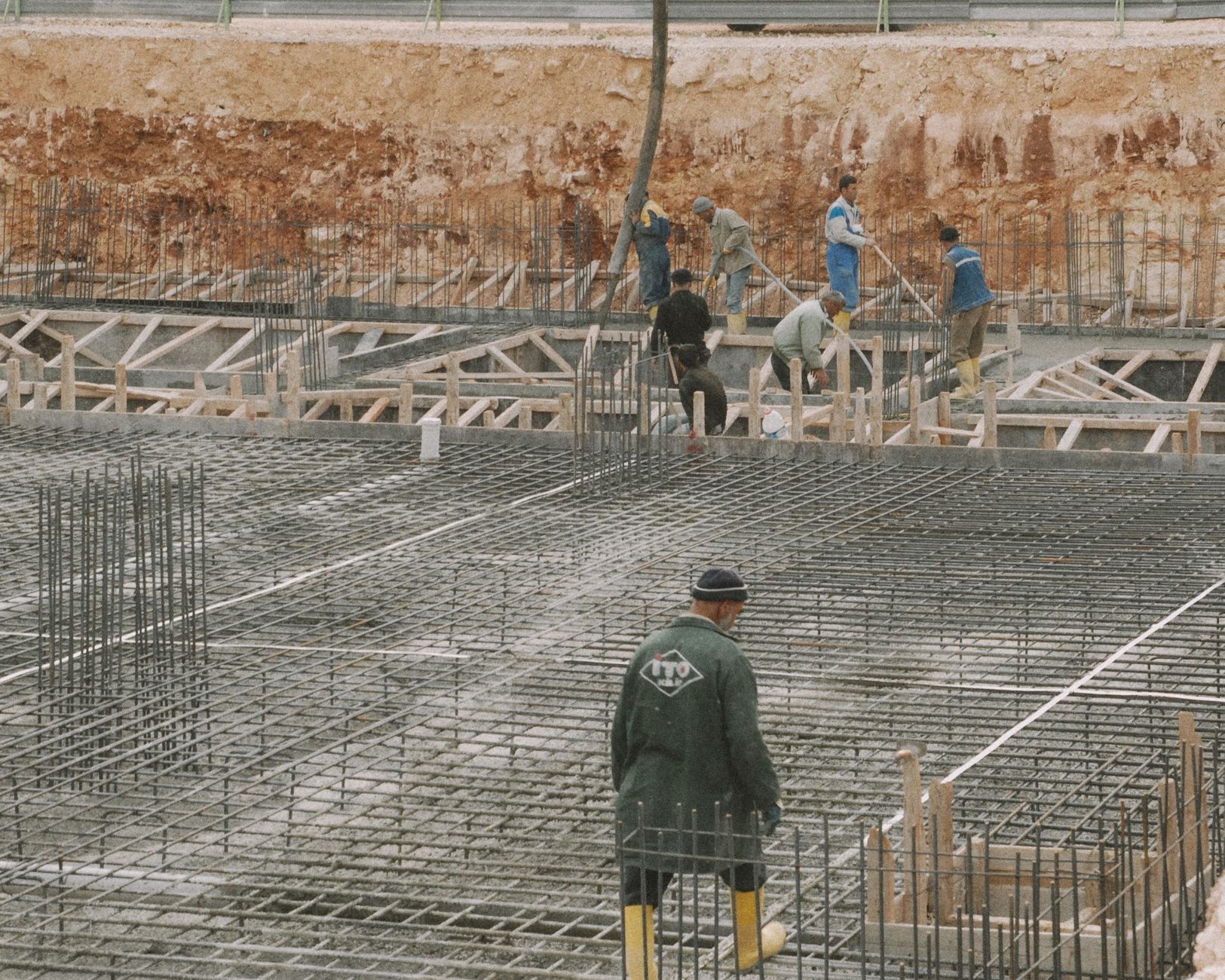
Choosing the Right AI for Construction Tooling (and Using It Safely)
Not all AI solutions are built for construction workflows. When evaluating an ai for contractors approach, look for capabilities that fit your documents, teams, and compliance needs.
What to look for
- Document understanding: Ability to summarize and structure drawings/spec language and long documents.
- Template support: Pre-built formats for estimates, safety plans, and project reporting.
- Review and governance: Clear human-in-the-loop workflows and audit-friendly output.
- Workflow integration: Practical export options and support for how your team actually works.
- Onboarding speed: Minimal setup so teams can adopt quickly.
How to use AI safely on a construction project
- Never treat AI as final authority for code compliance or safety approvals.
- Assign accountability: Safety officers and estimators must review outputs before release.
- Control data quality: Use accurate scopes and current revisions; stale inputs lead to inaccurate drafts.
- Protect sensitive information: Follow your organization’s data handling policies.
Free access on AIZora
If you’re looking to try an ai construction assistant approach without cost barriers, you can start with free access on AIZora and adapt workflows to your own projects.
Conclusion: Make AI for Construction a Competitive Advantage
When implemented with the right workflow, ai for construction can help teams estimate faster, plan safety more consistently, and manage projects with clearer visibility. By using an ai construction assistant to translate scope into structured cost logic, turn work packages into safety controls, and convert meeting/schedule information into next actions, ai for contractors can reduce rework and strengthen delivery.
The biggest takeaway is that AI works best when it’s paired with human accountability: draft quickly, validate with experts, and continuously improve templates based on what actually went wrong—or right—on the job.
If you want to begin now, consider trying free access on AIZora to build practical estimate, safety, and management workflows tailored to your projects and teams.