Introduction: Why AI for Real Estate Wins in 2026
If you’ve ever watched a listing sit online while competing homes move faster, you already know the real problem isn’t just “exposure”—it’s clarity. Buyers scan listings in seconds. They want the story, the benefits, and the details that make a home feel like theirs. That’s exactly where AI for real estate changes the game.
With the right workflow, AI real estate tools can generate persuasive, accurate, on-brand descriptions in minutes—without sacrificing structure, readability, or the unique selling points that help you stand out. And with free access on AIZora, you can start improving your listing copy and marketing immediately.
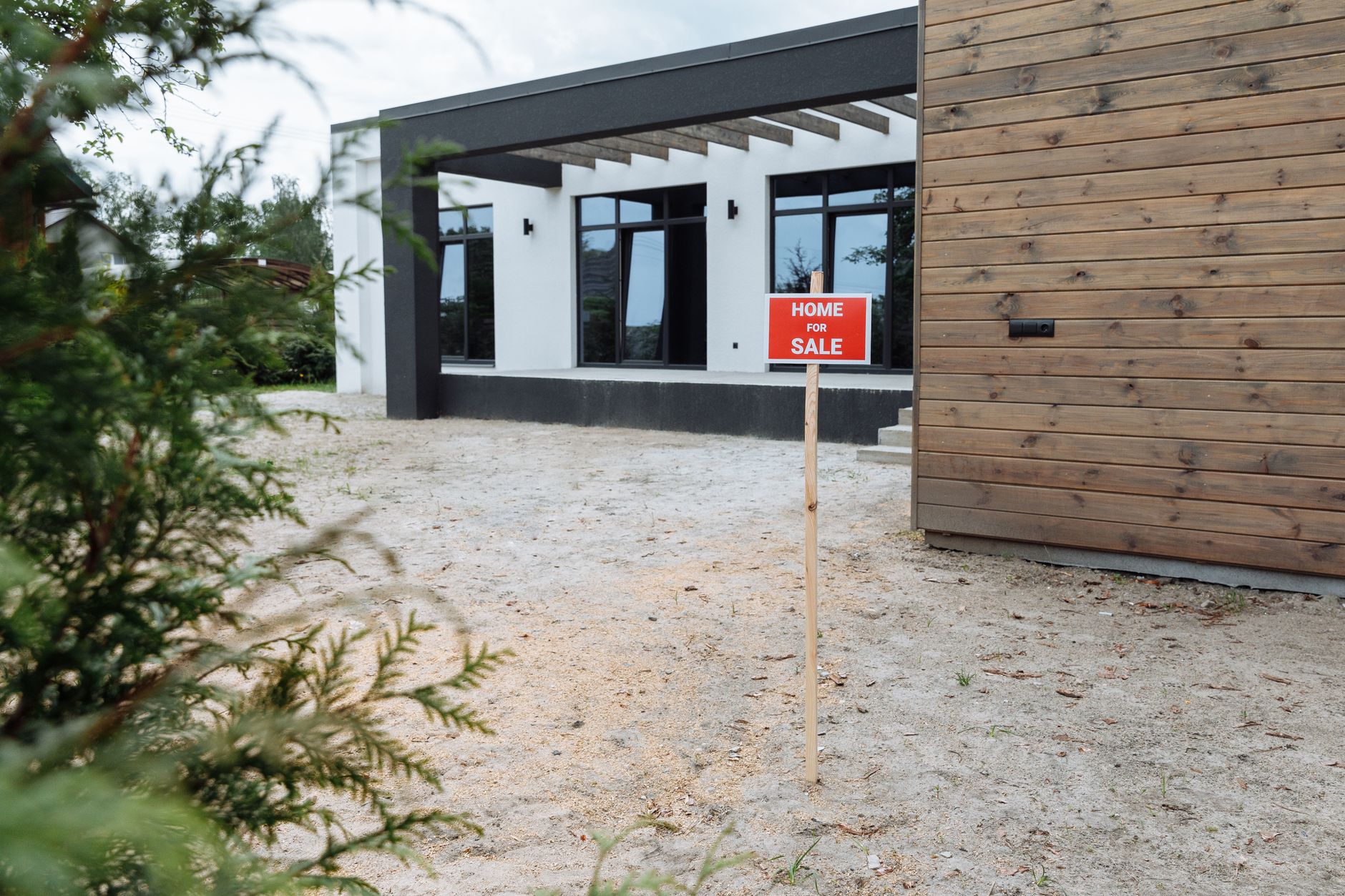
In this guide, you’ll learn how tools powered by a real estate AI assistant (and companion modules for analysis, valuation, and marketing) help you create AI listing description writer-ready content. We’ll cover everything from automated research to the exact best practices that improve conversion rates—while also avoiding common pitfalls like generic phrasing and inaccurate claims.
What “Smart” Property Descriptions Really Mean (and How AI Makes Them)
Smart property descriptions aren’t longer—they’re sharper. They match what buyers search for and how they decide. That usually includes:
- Buyer-intent structure: lead with the headline benefit, then support it with concrete details.
- Easy scanning: short paragraphs and benefit-forward phrasing.
- Local relevance: neighborhood context, lifestyle cues, and proximity highlights.
- Consistency: the same terminology across title, bullets, description, and MLS fields.
- Accuracy: avoid overpromising or inventing features.
That’s where an AI property description generator shines. Instead of starting from a blank page, you input property facts (or upload structured data), then the AI produces listing-ready copy designed to sell.
Many teams also use real estate content generator workflows to produce multiple variations: MLS-friendly summaries, social caption drafts, email teaser copy, and website section blurbs. When your marketing is consistent, buyers trust your listing more—and they click faster.
The AI Listing Workflow That Sells Faster (Step-by-Step)
To get the best results, don’t treat AI output as the final product. Treat it as a drafting engine that accelerates your best real estate instincts. Here’s a proven workflow using popular capabilities behind AI real estate tools and real estate AI copywriting processes.
- Collect listing essentials: beds, baths, square footage, lot size, year built, parking, upgrades, school district info, and any “must-know” buyer benefits.
- Run real estate market analysis AI: compare price positioning, absorption trends, and demand signals so your copy supports your pricing narrative.
- Draft your hero description: ask the AI listing description writer to produce a clean overview with strong opening lines.
- Create feature bullets: output “scan-friendly” benefits (e.g., “Bright kitchen with upgraded appliances,” “Covered patio for year-round entertaining”).
- Generate marketing snippets: short captions for social, email intros, and website sections.
- Quality-check with a human eye: verify claims, correct technical details, and ensure tone matches your brand and the neighborhood.
- Publish and iterate: monitor engagement and update the description if CTR or inquiries lag.

How Real Estate Market Analysis AI Improves Copy (Not Just Pricing)
Many agents use market data for pricing. But real estate market analysis AI can also improve your description’s persuasive angle. When buyers see a listing that “gets” the market, they feel less uncertainty and more confidence.
Here’s how analysis can translate directly into better copy:
- Adjust the emphasis: If inventory is tight, highlight scarcity signals (e.g., move-in ready, updated systems, premium lot). If competition is heavy, emphasize unique differentiators.
- Clarify value: Pair upgrades with market context (“In a neighborhood where buyers prioritize…”).
- Improve keyword alignment: AI can map property features to buyer search terms—helpful for both SEO and internal listing systems.
- Support your narrative: If the home is priced attractively relative to comps, the description should guide the reader toward that conclusion.
When you connect analysis to writing, you’re not just generating text—you’re building a sales argument. That’s the foundation of AI real estate copywriting that converts.
AI Property Valuation Tool + Description Strategy: The Value Narrative
Pricing confidence is buyer confidence. That’s why an AI property valuation tool can be more than a number—it can inform how you frame value in the description.
Instead of vague statements like “great value,” you can write with precision and credibility. For example:
- Use valuation cues to support “price-to-feature” positioning.
- Emphasize the upgrades or design elements that typically drive comp premiums.
- Match the tone to the pricing story (premium, competitive, or opportunity).
In practice, you might:
- Generate a valuation range.
- Compare it to feature intensity (renovated kitchen, energy efficiency, layout, curb appeal).
- Write your opening paragraph to reflect that value story clearly.
This is also a key element behind AI property valuation tool-assisted listing strategy and automated real estate marketing.

AI Real Estate Copywriting: The Techniques That Prevent “Generic” Listings
One risk with any AI listing generation is sounding templated. The fix is strategy. Use AI to draft, then add your local nuance and your expertise. Here are tactics that keep your output fresh, accurate, and high-converting.
1) Demand buyer-intent language, not keywords
Instead of asking for “include 20 SEO keywords,” instruct the AI to write for how buyers think: comfort, convenience, lifestyle, and next-step actions.
2) Use a consistent “feature-to-benefit” formula
Feature → Benefit → Lifestyle. Example:
- Feature: “Updated kitchen with quartz countertops.”
- Benefit: “Bright, easy-to-maintain surfaces for daily cooking.”
- Lifestyle: “Perfect for hosting weekend brunch and weeknight meals.”
3) Include social proof and confidence signals (without fluff)
Even a few carefully chosen details—like “move-in ready,” “recent improvements,” or “well-maintained systems”—build trust. Keep claims specific and verifiable.
4) Ask for multiple drafts, then choose the best opening line
The first sentence matters. Generate 3–5 variations and select the one that best matches the property’s personality and the target buyer segment (first-time buyers, growing families, downsizers, commuters).
5) Turn upgrades into a cohesive story
Upgrades shouldn’t be a disconnected list. Have the AI connect them: “modern updates + functional improvements + long-term value.” This is where real estate content generator workflows perform exceptionally well.
Best practice: Use AI to create the draft structure, then replace the last 10–20% with your own market knowledge and property-specific “truth.” That final layer is what prevents bland listings and improves conversion.
Automated Real Estate Marketing: Beyond the MLS Description
Your listing description shouldn’t live only inside the MLS. When you use an AI real estate tool as part of an automated real estate marketing system, you can scale your output across every customer touchpoint.
Here are high-impact channels where AI home listing generator-style content can help:
- Website listing pages: hero paragraph + feature sections + FAQ-style blocks.
- Social posts: short captions, carousel slide copy, and story scripts.
- Email campaigns: subject line options, preview text, and CTA variants.
- Buyer follow-ups: personalized updates based on user preferences.
- Open house announcements: location cues, lifestyle highlights, and “what to expect” language.
When your copy is consistent across platforms, buyers recognize your brand faster—and trust increases. That’s how AI becomes more than a writing shortcut; it becomes a performance lever.
Feature Matrix: Choosing the Right AI Real Estate Tools
| AI capability | What it does for your listing | Best for | Output examples |
|---|---|---|---|
| AI property description generator | Converts property facts into clear, persuasive listing copy | MLS descriptions, website hero sections | Headline + overview paragraph + feature bullets |
| AI listing description writer | Produces multiple tone/length variations for the same property | Teams who A/B test messaging | Short MLS summary, long-form narrative, luxury tone variant |
| Real estate market analysis AI | Helps position messaging based on trends and competition | Agents optimizing conversion and confidence | Value framing, demand cues, competitor-aware phrasing |
| AI property valuation tool | Provides valuation guidance to inform the “value narrative” | Agents refining pricing support language | Comp-informed upgrade emphasis statements |
| Real estate content generator | Scales copy across channels beyond the MLS | Automated real estate marketing workflows | Social captions, email intros, open house scripts |
| Real estate AI assistant | Guides your process with prompts, checklists, and refinement | Agents who want consistency and speed | Prompt templates, revision suggestions, compliance reminders |
Best Practices for Using AI Home Listing Generator Outputs Responsibly
AI can speed up your process dramatically—but quality and compliance still matter. Use these best practices to keep your listings accurate, professional, and trustworthy.
- Verify property facts: Square footage, room counts, year built, HOA details, and upgrades must be confirmed.
- Avoid speculative claims: Don’t imply renovations or features that aren’t in the record.
- Use local language: Mention nearby amenities only if accurate and relevant to buyer intent.
- Maintain brand voice: Adjust tone to match your market—modern, family-friendly, luxury, or practical.
- Check policy compliance: Ensure language follows fair housing and local advertising rules.
- Don’t skip human editing: The AI draft gets you there faster; your expertise seals the deal.
When used this way, tools like an AI home listing generator help you publish faster without sacrificing the trust buyers need.
Conclusion: Get More Clicks—and More Showings—with AI for Real Estate
In today’s market, smart copy isn’t a luxury—it’s a competitive advantage. AI for real estate helps you create compelling, buyer-focused descriptions that communicate value in seconds. By combining an AI property description generator with real estate market analysis AI, valuation-informed narratives, and scalable automated marketing outputs, you can write listings that earn clicks and drive showings.
The fastest path to results is to start small: generate one draft, review it carefully, publish, and iterate. And if you want a low-friction way to begin, remember that AIZora offers free access, so you can test AI real estate tools and refine your workflow immediately.
Ready to upgrade your listings? Use AI to draft smarter property descriptions—and then add the human touch that makes your marketing feel effortless, specific, and genuinely persuasive.