Turn complex ideas into precise schematics instantly. If you’ve ever struggled to convert a rough concept into a clean technical drawing—whether for wiring, architecture, lab setups, or product layouts—you already know the bottleneck: drafting takes time, precision tools take learning, and iteration is slow. That’s where the best AI image generator for schematics comes in.
In this guide, we’ll focus on what to look for in an AI schematic generator, how to produce generate schematics with AI results that are actually usable, and which workflows help you go from text to schematic AI to production-ready visuals faster. We’ll also highlight the benefits of using AIZora, including free access on AIZora, so you can test prompts and see results without friction.
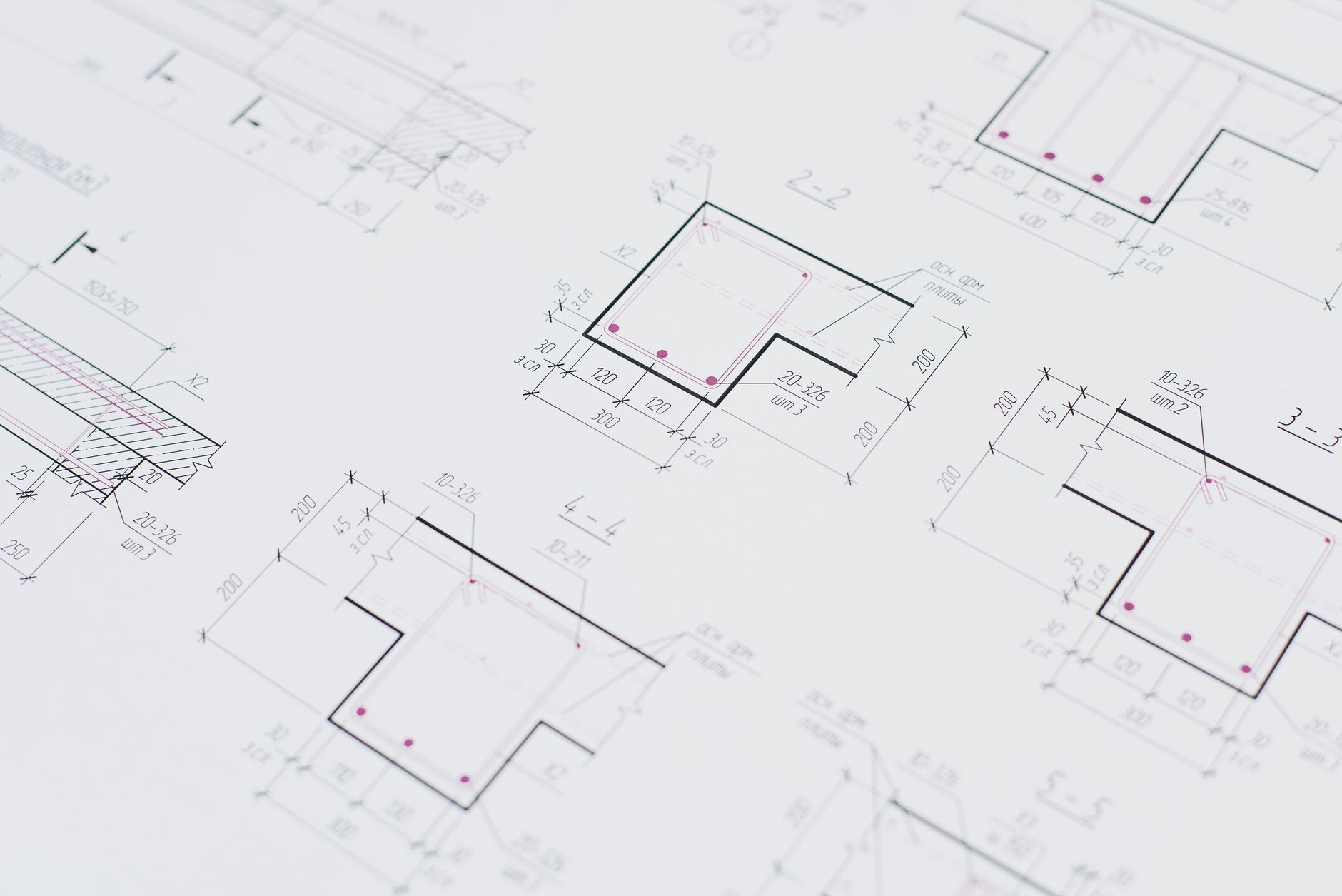
Why the Best AI Schematic Generator Changes Technical Design
Traditional schematic design is often a two-speed process: ideation happens fast, then drafting slows everything down. An AI technical diagram generator flips that. Instead of manually building symbols, lines, and layout from scratch, you can describe the goal and let the system render a first-pass diagram.
With the right tool, you can move from:
- Messy notes → structured layout
- Unlabeled components → labeled blocks and connections
- Conceptual diagrams → exportable, revisable schematics
- Iterative revisions → prompt-driven improvements
This is the promise behind automatic schematic creator workflows: draft quickly, refine efficiently, and keep your attention on design intent—not repeated formatting.
What “Best” Means for an AI Image Generator for Schematics
Not every generative model is optimized for schematic accuracy. When you search for the AI image generator for schematics, make sure the tool supports the characteristics that matter most in technical drawings.
1) Diagram readability and symbol discipline
Schematics require visual consistency: line weights, spacing, and symbol clarity. The best systems produce diagrams that are easy to interpret at a glance—especially when details like ports, connections, and labels must be legible.
2) Prompt-to-layout control
A schematic design AI tool should respond predictably to instructions such as:
- “Use a left-to-right signal flow layout.”
- “Include labeled nodes A, B, C.”
- “Generate a ladder-style wiring diagram.”
- “Keep a clean grid and uniform line thickness.”
3) Targeted output types
Different schematic tasks need different styles. Choose a tool that can handle:
- AI circuit schematic maker needs clear component representations and connection mapping.
- AI blueprint generator needs architectural conventions and floor plan structure.
- AI blueprint/technical diagram tasks benefit from scalable labeling and diagram hierarchy.
4) Iteration speed
In real projects, you don’t get it right the first time. A strong text to schematic AI workflow should support multiple iterations quickly—refining labels, rearranging components, and tightening spacing without starting over.
Step-by-Step: Generate Schematics With AI (Text to Diagram)
If your goal is generate schematics with AI, the workflow matters as much as the model. Here’s a practical method you can apply with AIZora (and any comparable platform):
- Start with a clear diagram purpose
Example: “Create a block diagram for a simple alarm system” or “Generate a wiring schematic for a 2-switch circuit.” - List components and connections
Provide a short inventory: sensor, controller, power supply, output device; plus how they connect. - Specify layout rules
Tell the tool how to arrange elements: top-down, left-to-right, grid layout, or “keep labels close to nodes.” - Request schematic styling
Use terms like “clean lines,” “uniform thickness,” “label each node,” and “show connection lines.” - Iterate with targeted edits
After reviewing the output, refine only what’s off: spacing, labeling, symbol style, or missing parts.
In other words, you’re using the AI blueprint generator mindset: design intent first, diagram fidelity next.
Prompt template you can copy
Use this structure to improve consistency when attempting text to schematic AI outputs:
[Task]: Create a schematic diagram.
[Domain]: (circuit / plumbing / architectural floor plan / lab setup).
[Components]: List items (and quantities if needed).
[Connections]: Describe how things connect.
[Layout]: Specify arrangement (top-down, left-right, grid).
[Style]: “Clean technical lines, readable labels, consistent symbol style.”
AI Circuit Schematic Maker vs. Blueprint-Style Diagrams
Some creators only think about one type of schematic. In practice, you may need multiple diagram categories—each with different expectations.
When you need an AI circuit schematic maker
For electronics, your priorities include:
- Correct connection mapping (signals should follow your described topology).
- Symbol clarity (component blocks should be recognizable).
- Node labels that remain readable even after iteration.
When you need an AI technical diagram generator for architecture or systems
For floor plans and spatial layouts, your priorities include:
- Room or section boundaries that form a coherent structure.
- Directional and structural conventions (e.g., consistent “zones,” corridors, or segment layout).
- Hierarchy: title, legend-like labeling, and clear section divisions.
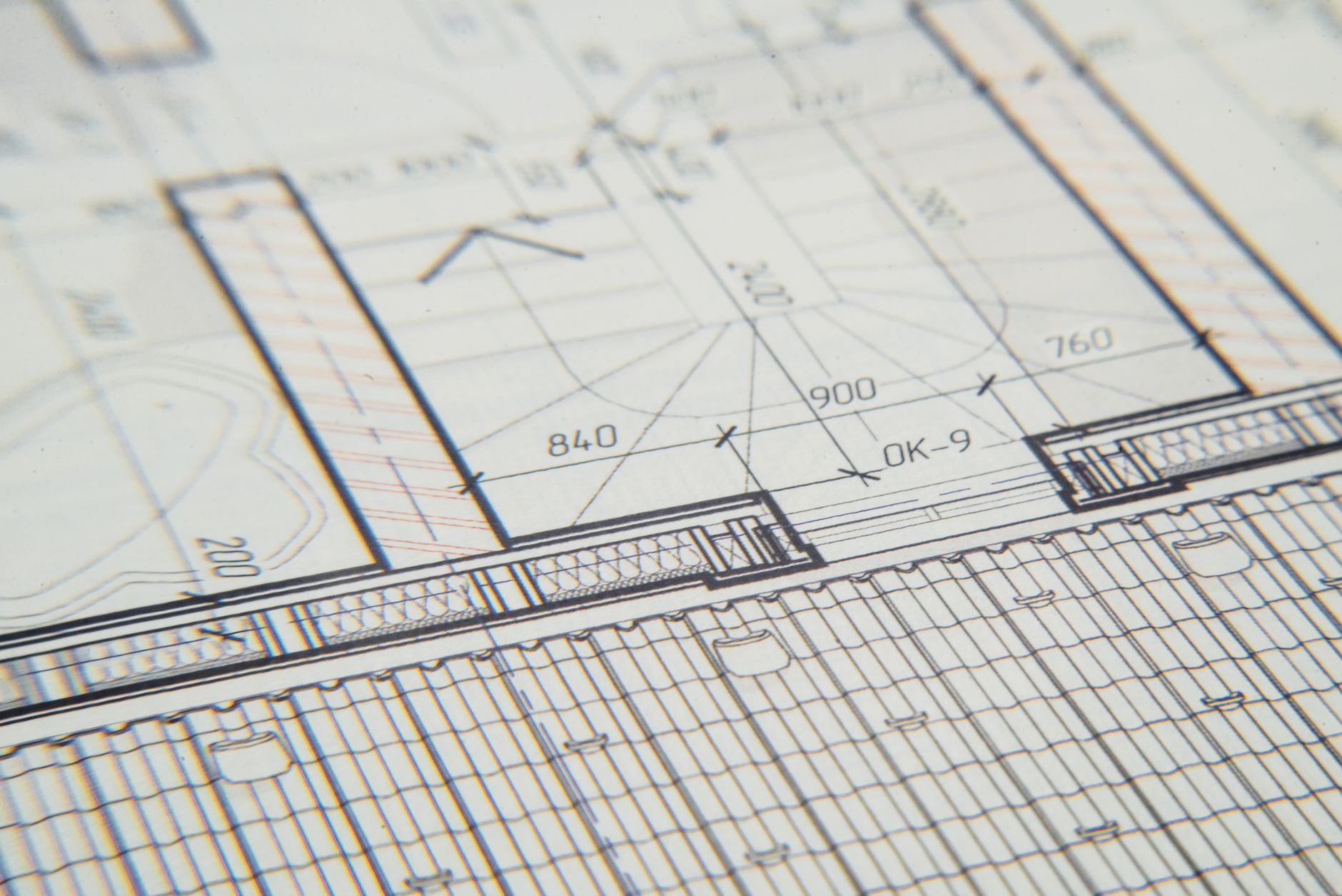
Feature Comparison: Best AI Tool for Technical Drawings
Since you’re looking for the best AI tool for technical drawings, use a quick checklist to compare features that influence output quality, not just overall “image pretty-ness.”
| Capability | What to Look For | Why It Matters for Schematics |
|---|---|---|
| Prompt-to-diagram control | Consistent response to layout, labels, and style instructions | Helps when you’re doing generate schematics with AI across iterations |
| Technical styling | Clean line rendering, uniform thickness, legible labeling | Improves readability for engineering, teaching, or documentation |
| Multiple schematic use-cases | Circuit + blueprint + system diagrams | Supports both AI circuit schematic maker and AI blueprint generator needs |
| Iteration speed | Fast generation and easy refinement prompts | Reduces time to reach an acceptable draft |
| Free access availability | Try the workflow before committing | Lets you test the schematic design AI tool on real prompts |
| Diagram legibility | Labels and connections remain visible | Ensures the output is usable as a technical diagram |
Best Practices: Make Your AI Technical Diagrams More Precise
The difference between a “cool image” and a dependable automatic schematic creator output is precision discipline. Use these best practices whenever you’re attempting generate schematics with AI.
1) Use structured descriptions, not vibes
Instead of “a circuit diagram with sensors,” be specific: “a 3.3V power supply connected to a temperature sensor, outputting to a microcontroller input labeled TEMP_IN.”
2) Constrain complexity in early drafts
Start with fewer components, then expand. This gives the model fewer degrees of freedom and improves label placement and line routing.
3) Require labeled nodes and consistent naming
For example: “Label each node as VCC, GND, IN1, OUT1.” Consistent naming makes revisions faster and reduces ambiguity.
4) Ask for “schematic clarity” explicitly
Include phrases like:
- “Clean technical lines.”
- “Readable labels near components.”
- “Uniform stroke thickness.”
- “No decorative elements.”
5) Verify connections logically
Even when outputs look right, you should sanity-check the topology against your description—especially for circuit diagrams. Treat the output as a strong first draft that you validate.
6) Iterate with “surgical prompts”
After the first result, avoid rewriting everything. Instead:
- “Keep the same layout; change OUT1 label to ALARM_OUT.”
- “Add a legend box and label each section.”
- “Move the power supply to the top-left and keep connections straight.”
That’s how you get closer to an AI blueprint generator outcome that behaves like a drafting assistant, not a random art generator.
How to Choose the Right Workflow on AIZora (Free Access Included)
If you’re looking specifically for an AI schematic generator that helps you move fast, consider how you’ll use it day-to-day: prototyping, teaching, documentation, or pre-planning.
With free access on AIZora, you can test your own prompts and find the patterns that produce the most consistent outputs. Here’s how to approach evaluation:
- Test 3–5 real use-cases: one circuit, one blueprint-like layout, one “system diagram.”
- Grade outputs on legibility: can you read labels easily?
- Grade outputs on structure: do components appear where you expect?
- Try prompt iteration: add, remove, relabel—see how controllable the tool is.
- Assess time-to-draft: how many generations until the diagram is “good enough” for review?
By the end, you’ll understand whether it’s truly a schematic design AI tool for your work—or just a novelty generator.
Conclusion: The Best AI Image Generator for Schematics Is the One You Can Control
The best AI image generator for schematics isn’t determined by which tool produces the most visually dramatic output—it’s determined by which one helps you turn complex ideas into precise schematics instantly while staying readable, consistent, and easy to iterate.
If you want to speed up drafting without losing clarity, target the capabilities that matter most: prompt control, technical styling, legibility, and fast iteration. That’s the difference between an automatic schematic creator and a genuine drafting accelerator.
To start, explore AIZora with free access and run your first text to schematic AI prompts. Use the templates and best practices above to push toward an AI technical diagram generator workflow you can rely on—whether you’re making an AI circuit schematic maker, an AI blueprint generator, or a clean AI blueprint/technical drawing for documentation.
Ready to generate your first schematic? Write your components, connections, and layout rules—then let the schematic design AI tool do the drafting.
Primary keywords covered: AI schematic generator, AI image generator for schematics, automatic schematic creator, AI technical diagram generator, text to schematic AI, AI circuit schematic maker, generate schematics with AI, best AI tool for technical drawings, AI blueprint generator, schematic design AI tool.