Introduction: Identify Tree Instantly with AI (Snap a Photo, Know Your Tree)
If you’ve ever looked at a tree and thought, “What kind is that?”—you’re not alone. Whether you’re out on a walk, managing a garden, or teaching kids how to spot nature, accurate tree identification by picture can be surprisingly hard. Leaf shapes vary by season, bark can look different on young vs. mature trees, and the same species may appear in multiple forms.
That’s where Identify Tree comes in. This AI-powered tool helps you identify tree by letting you snap a photo and receive instant insights like tree id, likely species, and guidance for confirming with leaf and bark details. Best of all, you can try it with free access on AIZora.
In this guide, you’ll learn how to use Identify Tree effectively for everything from identify tree species to leaf id, tree bark identification, and seedling identification—plus practical tips to improve accuracy.
How Identify Tree Works: Tree Finder Results in Seconds
The core promise is simple: you capture a photo, and AI compares what it sees with patterns used for identifying trees. Depending on the image and lighting, Identify Tree can support multiple levels of confidence—useful for both quick guesses and deeper research.
What the AI typically checks
When you use identify tree by picture, the model looks for visible features such as:
- Leaf shape and arrangement (helpful for tree leaf identification)
- Leaf margins (serrated, lobed, smooth)
- Bark texture patterns for identify tree by bark
- Branching form and overall growth habit
- Tree silhouette (crown shape, height cues, spacing)
- Seasonal cues (green foliage, bare branches, blossoms)
Why photos matter
AI can’t read hidden details the way an expert might with close inspection. But when your photo clearly shows the diagnostic features, identify tree by leaf and identify tree by bark become much more reliable—especially if you’re attempting oak leaf identification, ash tree identification, or maple tree identification.
Identify Tree by Leaf: Leaf ID That Actually Helps
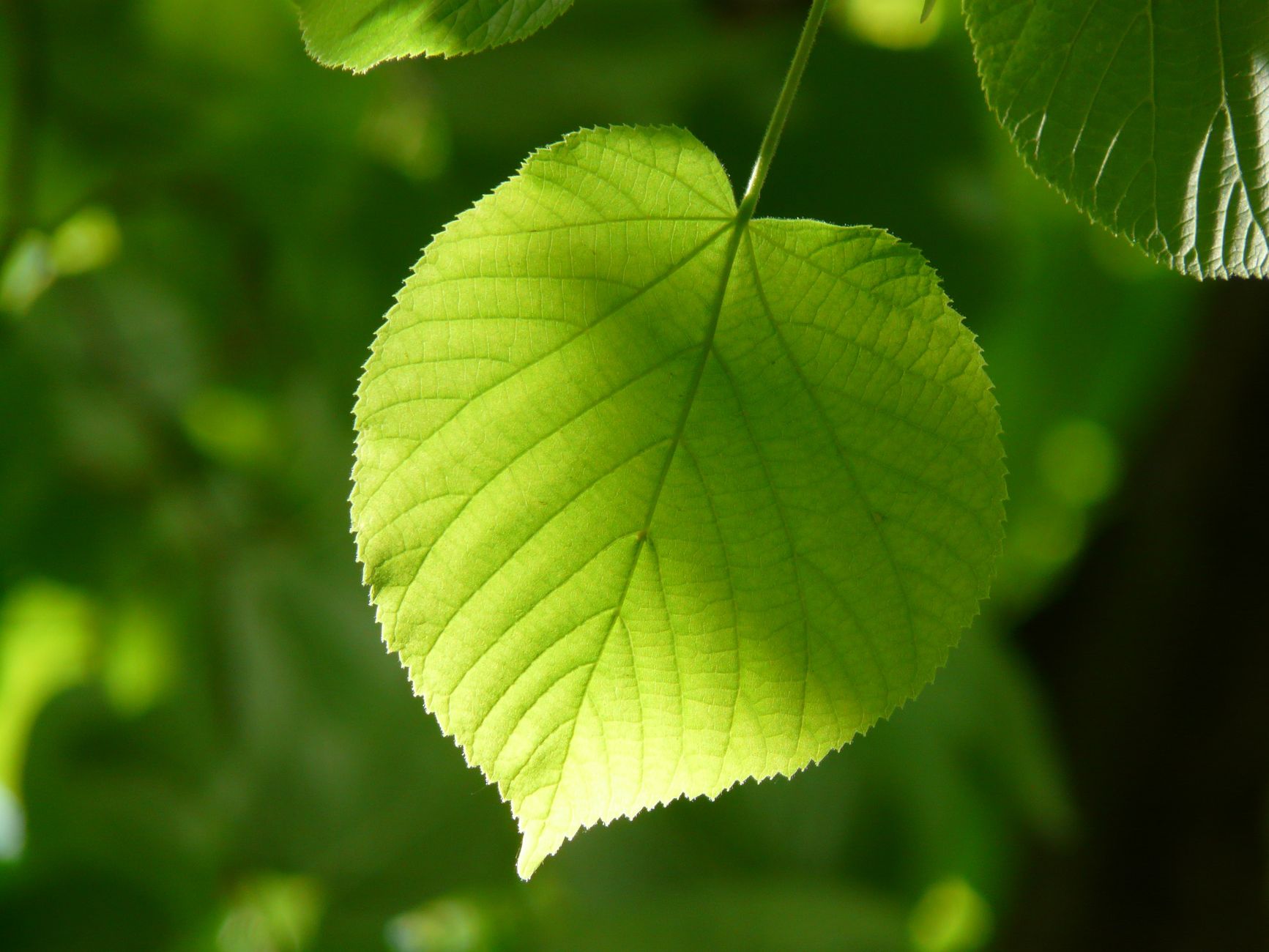
Many people start with leaf photos because they’re easy to capture and often show strong diagnostic features. If you want identify tree by leaf, your goal is to photograph the leaf in a way that reveals its key traits.
Best practices for tree leaf identification
- Fill the frame with the leaf. Avoid distant shots where the leaf is tiny relative to the tree.
- Show the full leaf (blade + tip) and include part of the stem/petiole if possible.
- Capture multiple leaves from different branches to confirm consistency.
- Mind lighting: avoid heavy glare, deep shadows, or overexposure.
- Include arrangement: if you can, show how leaves sit along the branch (opposite vs. alternate patterns).
Quick leaf traits to look for
While Identify Tree will do the heavy lifting, you’ll get better at confirming results:
- Opposite vs. alternate leaf placement can narrow down species.
- Lobed vs. serrated patterns help separate common groups.
- Leaf texture (glossy, matte, fuzzy) can differentiate close lookalikes.
These tips are especially useful if you’re trying oak leaf identification, maple tree identification, or narrowing down candidates for identify tree species with similar silhouettes.
Identify Tree by Bark: Tree Bark Identification for Tough Cases
Leaves can disappear in winter, and some trees have variable leaf shapes. That’s when tree bark identification becomes essential. If you want identify tree by bark, use a photo that shows texture, depth, and pattern.
How to photograph bark for better results
- Move closer so the texture is visible (but keep focus sharp).
- Use angled light: side lighting can reveal ridges and grooves.
- Capture a section of bark that includes both flat areas and cracks/ridges.
- Avoid extreme close-ups where there’s no pattern—Aim for “texture with context.”
- Show scale: include part of the tree trunk edge or nearby branch for proportion.
If you’re comparing trees with similar foliage or trying to solve a mystery tree after leaf fall, bark cues can dramatically improve your confidence in trees id.
Seedling and Young Tree Identification: Tree ID Isn’t Just for Mature Trees
Seedling identification is a frequent challenge. Young trees may not yet have fully developed bark texture, mature leaf complexity, or characteristic branching structure. That means your photos need to be more careful.
What to capture for seedlings
- Leaves at the seedling stage: capture the leaf shape and arrangement clearly.
- Stem details: any hairiness, color, or texture matters.
- Growth habit: show how the plant is branching or forming its crown.
- Multiple angles: one angle rarely shows everything.
For best accuracy, combine leaf id and the seedling’s overall silhouette. Identify Tree can then guide you toward likely matches—especially when you provide clear identify tree by picture evidence.
Popular Use Cases: Pine, Ash, Oak, Apple, Maple, and More
While Identify Tree helps across many tree types, some searches are more common than others. Here’s how to approach specific categories when you’re trying to identify tree species from photos.
Pine tree identification
- Look for needle-like leaves and how they cluster.
- Try capturing needles close enough to see texture without blurring.
- Photograph twigs and branching angles to show growth patterns.
Ash tree identification
- Focus on leaf arrangement patterns if leaves are present.
- If photographing bark, look for recognizable ridge patterns.
- Take a few images from different sides of the trunk.
Oak tree identification (and oak leaf identification)
- For oak leaf identification, capture leaves showing lobes and edges clearly.
- Photograph the leaf attachment and leaf spacing on branches.
- If leaves are gone, switch to bark and branch structure.
Apple tree identification
- Leaves and twig structure can be more diagnostic than trunk alone.
- If there are blossoms or fruit (seasonal), include those in separate photos.
- Capture leaf underside if visible; texture and sheen can help.
Maple tree identification
- Leaf shape and lobes are key for maple tree identification.
- Take photos that show leaf margin details and symmetry.
- If possible, include branching to improve confidence.
White flowering trees identification
If you’re trying white flowering trees identification, timing matters. Use additional photos that show:
- Flower clusters (size and spacing)
- Branch attachment where blossoms originate
- Surrounding foliage or trunk context
British tree identification
In the UK, many species share similar visuals. To strengthen identify tree results for british tree identification, include:
- Seasonal context (spring blossoms, summer leaves, winter structure)
- Multiple photos covering leaves, bark, and whole tree silhouette
- Clear leaf detail for tree leaf identification
Compare Identification Methods: Photo AI vs. Manual Checks
| Method | Best For | What You Need | Speed | Accuracy Potential |
|---|---|---|---|---|
| Identify Tree (AI, photo-based) | identify tree by picture, quick tree id | Clear photos of leaf/bark/whole tree | Seconds | High when diagnostic details are visible |
| Manual leaf identification | leaf id, learning tree leaf identification | Leaf close-ups + reference guides | Minutes to hours | High with expert knowledge; slower for beginners |
| Manual bark identification | identify tree by bark and winter checks | Texture-focused trunk photos + species knowledge | Minutes to hours | Medium to high; depends on experience |
| Combined approach | Confirming tricky lookalikes | Leaf + bark + silhouette photos | Minutes | Highest confidence overall |
Tips and Best Practices for Higher-Confidence Tree ID
To get the most reliable results from Identify Tree (including identifying trees in your area), follow these proven habits:
- Take multiple photos: one of the whole tree, one of leaves, and one of bark.
- Use the right background: clean backgrounds improve focus and feature detection.
- Avoid motion blur: steady your hands or use a timer.
- Capture diagnostic details: leaf lobes, margins, needle clusters, or bark ridges.
- Confirm with at least two traits: don’t rely on only one feature like color.
- Adjust for season: if leaves are missing, prioritize bark and structure.
- Keep notes: record where you photographed (park, street, garden) and approximate date/season.
- Try again if confidence is low: better angles often produce better trees id.
Pro tip: For leaf identification, the best images show the leaf’s outline, edge detail, and how it attaches to the branch—this is exactly where AI can shine.
Why Choose Identify Tree on AIZora (Free Access Included)
Learning identify tree doesn’t have to be complicated or expensive. With free access on AIZora, you can experiment with tree finder workflows—starting with leaf identification and moving into bark and seedling identification as you get more comfortable.
Whether you’re working on identify tree species for a school project, trying to master oak leaf identification, or capturing photos during british tree identification outings, Identify Tree is built to make the first step faster: getting a credible starting tree id you can verify.
Conclusion: Identify Tree with Confidence—From Leaf ID to Tree Bark Identification
With Identify Tree, you can turn an ordinary moment—spotting a fascinating tree—into instant insight. By snapping clear photos and using the right techniques for identify tree by leaf, identify tree by bark, and seedling identification, you’ll get closer to accurate identify tree species results with every attempt.
If you want to master leaf id, explore tree identification by picture, and confidently approach species like pine, ash, oak, apple, and maple, start with AI and build your skills. And because it’s available with free access on AIZora, there’s no reason not to begin today.