1
Describe your subject
Type a creature, plant, person or idea with a few concrete traits — colour, size, habitat, behaviour or location.
Create authentic Latin binomial names instantly with our AI scientific name generator — perfect for animals, plants, fictional species, worldbuilding and biology class.
Open your workspaceFree AI scientific name generator for Latin binomial names of animals, plants & fun
Describe the species, person, or thing to name
A few possibilities to explore with your creative workspace.
From that first idea to something you can call your own.
Type a creature, plant, person or idea with a few concrete traits — colour, size, habitat, behaviour or location.
Choose animal, plant, fungus, microbe or fictional, then select a descriptive, geographic, eponymous or humorous naming style.
The AI assembles real Latin and Greek roots with correct gender agreement and returns 8-10 Genus species options.
Each result includes pronunciation, literal translation, root breakdown, full taxonomy and a formal species description.
Swap epithets, request an eponym, regenerate for a different tone, then copy the final name and write-up anywhere.
Your idea, your settings, your next creation.
Let’s createExplore what you can create with AI Scientific Name Generator.
Give invented creatures, plants and monsters Latin binomials that sound like they came out of a field guide, complete with family and order.
Show students how Latin and Greek roots combine, then have them build and translate their own genus and species names instead of memorising lists.
Turn a friend's name, nickname or quirk into a grammatically correct Latin epithet — the smarter version of a novelty name quiz.
Generate plausible genus-species labels plus short formal diagnoses for scientific illustration plates, museum mockups and portfolio work.
Skincare, tea, candle and perfume brands use Latin plant names for credibility — generate options with real meanings behind them.
Break any real scientific name into its roots, learn the pronunciation, and see where it sits in the Domain-to-Species hierarchy.
A workspace that helps you get from “what if” to “look at this.”
AI tailored to the task you want to accomplish.
Customize the options available in your workspace.
Turn a clear brief into a useful starting point.
Review your result, refine it, and put it to work.
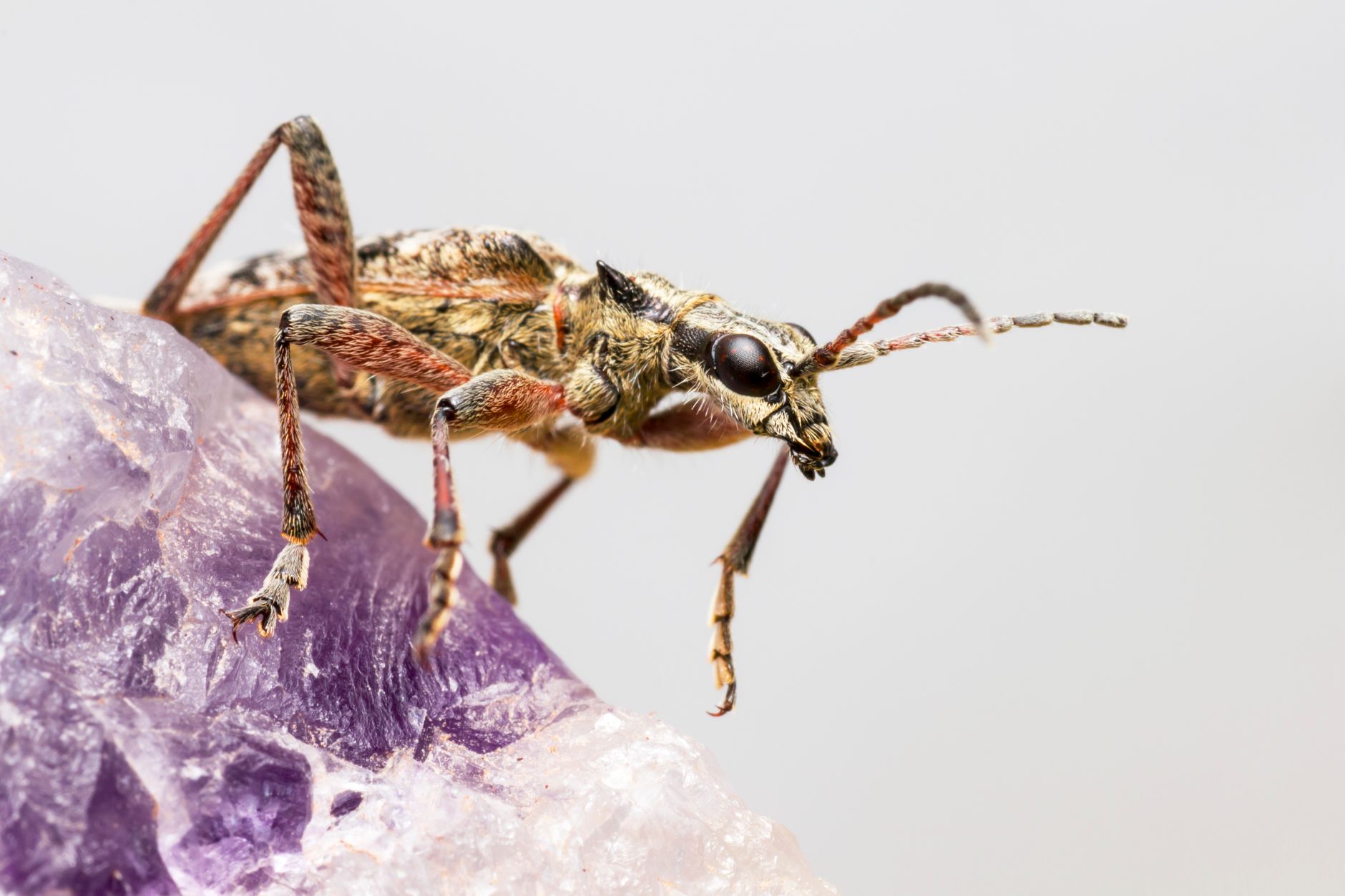
The AIZora scientific name generator turns any description, creature, plant or even a person's name into an authentic Latin binomial — a two-part Genus species label built exactly the way taxonomists build real ones. Unlike quiz-style novelty pages that spin out a random joke label, this scientific names generator uses real Latin and Greek roots, applies correct grammatical gender agreement, and returns the etymology, pronunciation, a full taxonomic hierarchy and a formal species description you can actually use.
Biologists call this system binomial nomenclature, introduced by Carl Linnaeus in Systema Naturae (1758). Every living thing on Earth — from Homo sapiens to Panthera leo to Helianthus annuus — carries one. Our tool lets you create names that follow the same rules, in seconds.
Type a description of your subject, choose whether it is an animal, plant, fungus, microbe or fictional organism, and pick a naming style — descriptive, eponymous, geographic, or playful. The AI then:
Input: a tiny blue tree frog that calls at dusk → Hyalorana caerulea (hy-a-lo-RAN-a see-RUE-lee-a), from hyalos (glass) + rana (frog) + caeruleus (sky-blue): "the sky-blue glass frog."
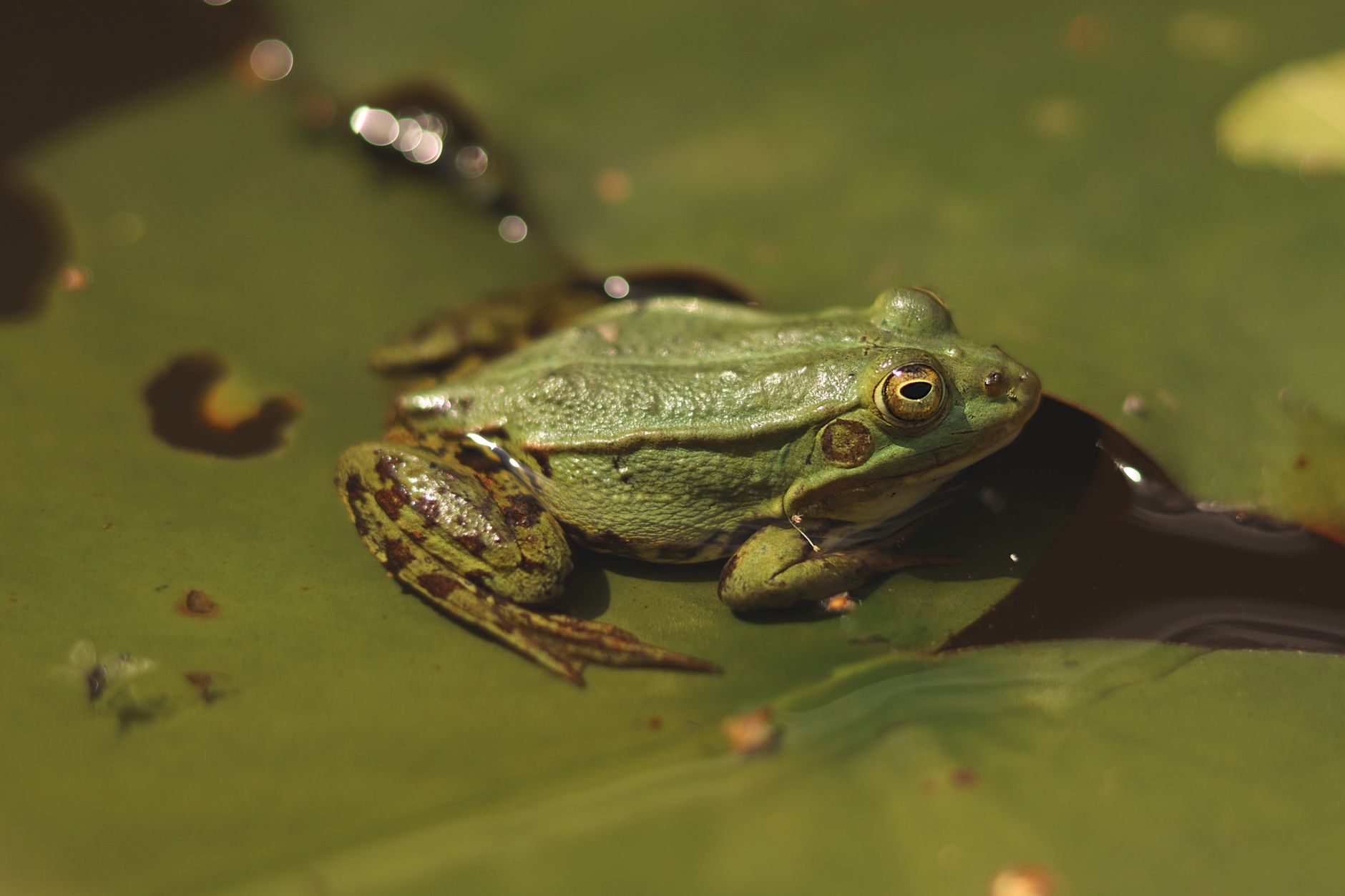
Students and teachers use it to understand how Latin roots assemble into names — far more memorable than memorising a scientific name list of 20, 50 or 100 species. Authors and worldbuilders use it to name invented flora and fauna that sound credible on the page. Game designers and TTRPG masters name monsters and herbs. Illustrators and museum designers label plates and exhibit cards. And plenty of people simply want to know what they would be called if they were a newly discovered species.
Learning the pattern makes the generator's output far more useful. Most epithets fall into a handful of predictable categories:
| Epithet type | Latin root | Meaning | Real example |
|---|---|---|---|
| Colour | ruber / albus / viridis | red / white / green | Sambucus nigra (black elder) |
| Size | magnus / minimus | large / smallest | Sorex minutus (pygmy shrew) |
| Habitat | sylvestris / maritimus | of woods / of the sea | Pinus sylvestris (Scots pine) |
| Anatomy | longicauda / macrocephalus | long-tailed / big-headed | Physeter macrocephalus (sperm whale) |
| Behaviour | vorax / nocturnus | greedy / of the night | Esox lucius (pike, "wolf-fish") |
| Place | -ensis | originating from | Canis latrans texensis |
| Person | -ii / -ae | named in honour of | Darwinia collina |
Classic web generators such as rumandmonkey's "Latin Scientific Species" page ask you a single multiple-choice question and return a fixed gag name. They are fun for ten seconds. AIZora's scientific name generator instead reads your actual description, produces 8–10 grammatically valid options, explains each root, and hands you a complete taxonomic card. There is no sign-up, no quiz funnel, and no random lookup table — just real nomenclature logic applied to your input.
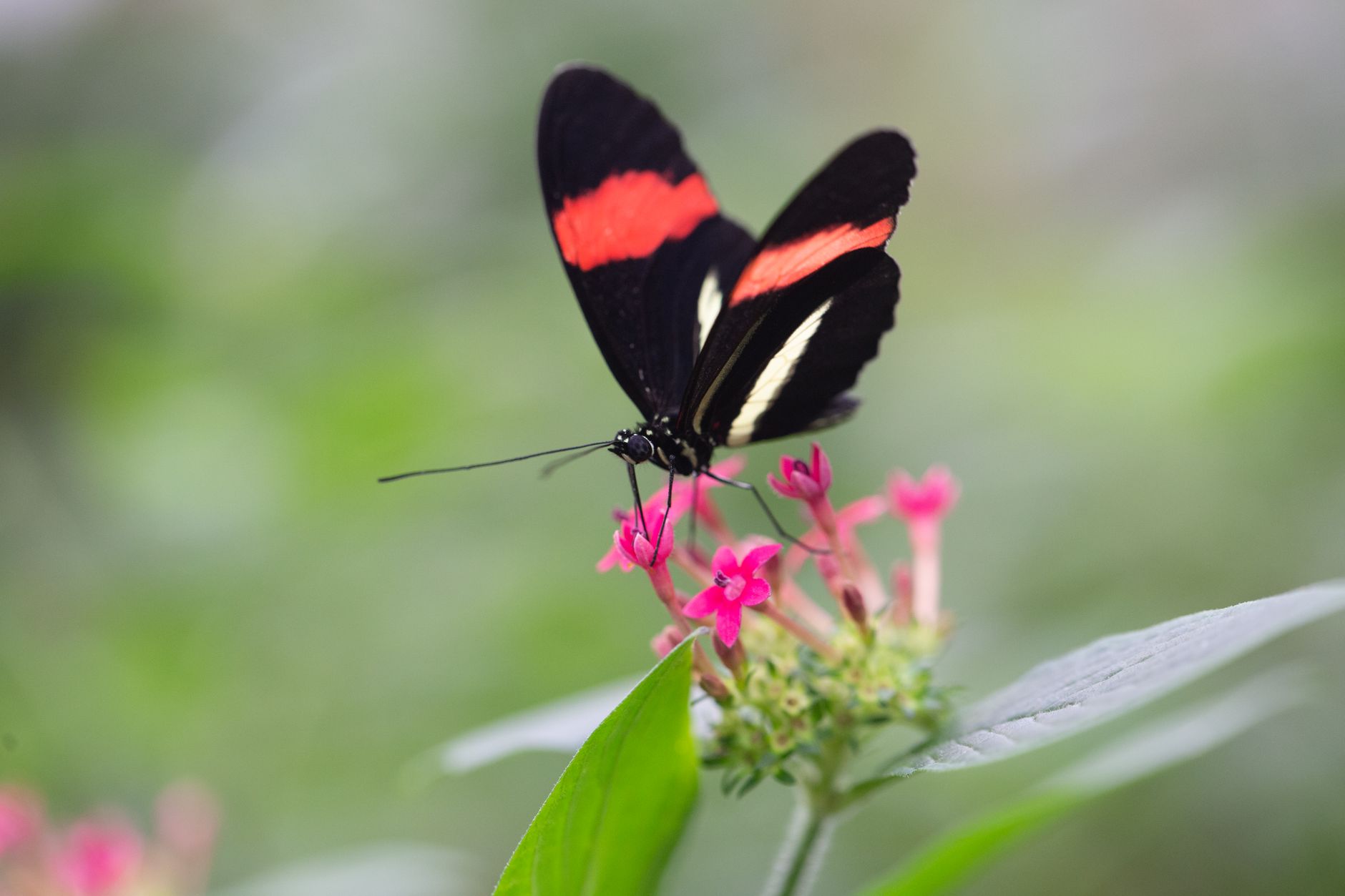
A generated name is not an officially valid name. Under the ICZN and ICN, a new species name only becomes available when it is published with a diagnosis and a designated type specimen deposited in a recognised collection. Use these names for fiction, teaching, art and fun — not for formal publication.
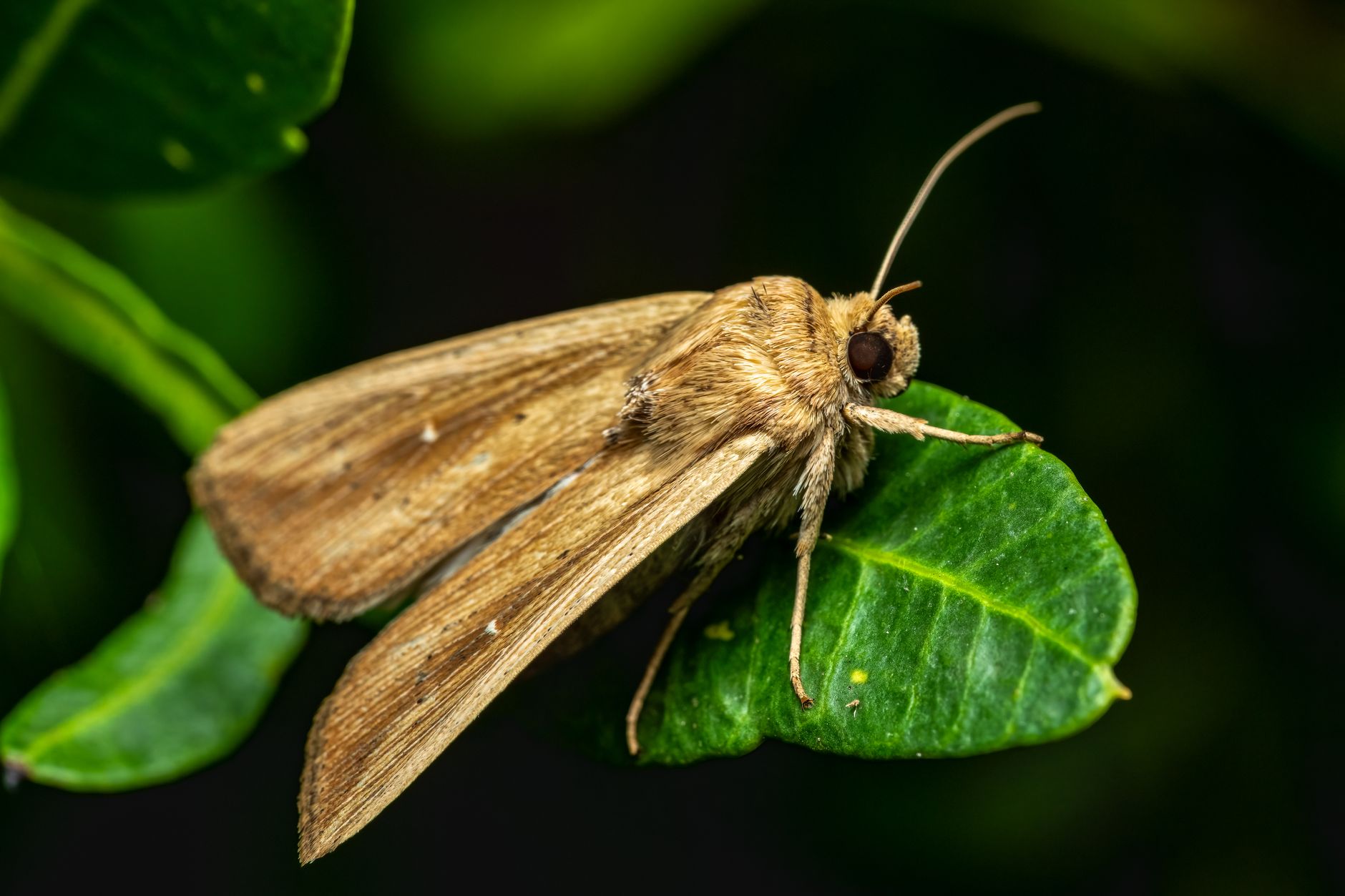
Whether you need scientific names of animals for a worksheet, a believable Latin label for a fantasy plant, or a bit of taxonomic humour for a friend, the AIZora scientific name generator gives you accurate roots, clean grammar and a full write-up in one pass — free, unlimited and browser-based.
Find the right fit for your creative workflow.
| Feature | AIZora | Rum and Monkey | Fantasy Name Gens | Random Word Tools |
|---|---|---|---|---|
| Reads your own description | ✓ | ✗ | ✗ | ✗ |
| Real Latin & Greek roots | ✓ | ✗ | ✓ | ✗ |
| Correct gender agreement | ✓ | ✗ | ✗ | ✗ |
| Literal translation of each name | ✓ | ✗ | ✗ | ✗ |
| Full Domain-to-Species taxonomy | ✓ | ✗ | ✗ | ✗ |
| Formal species diagnosis | ✓ | ✗ | ✗ | ✗ |
| Eponym & locality epithets | ✓ | ✗ | ✗ | ✗ |
| No quiz, no sign-up, unlimited | ✓ | ✓ | ✓ | ✓ |
A little less busywork. A lot more possibility.
I needed forty believable Latin names for the bestiary in my fantasy novel. This gave me the names, the roots and a field-guide paragraph for each one in an afternoon.
My Year 10 biology class now invents their own species and defends the etymology. Engagement with binomial nomenclature went through the roof.
As a scientific illustrator I label a lot of speculative plates. The gender agreement is actually correct, which no other generator managed.
Everything you need to get started with AI Scientific Name Generator.
Still have a question?A scientific name generator creates two-part Latin names in the format Genus species, the same binomial system Carl Linnaeus introduced in 1758. AIZora's version goes further than novelty generators: it uses genuine Latin and Greek roots, applies correct grammatical gender, and returns the etymology, pronunciation, full taxonomic classification and a formal species diagnosis for each name.
Yes. Select Animal as the organism type and describe the creature's traits — a nocturnal spotted cat, a long-tailed desert rodent, a whistling tree frog. The AI follows ICZN-style zoological conventions, picks family-appropriate roots such as Panthera, Rana, Sorex or Corvus, and forms epithets like maculatus, longicauda or nocturnus with correct agreement.
Common examples include Homo sapiens (human), Panthera leo (lion), Panthera tigris (tiger), Canis lupus (grey wolf), Canis familiaris (dog), Felis catus (cat), Elephas maximus (Asian elephant), Loxodonta africana (African elephant), Equus caballus (horse), Bos taurus (cattle), Ovis aries (sheep), Sus scrofa (pig), Gallus gallus (chicken), Corvus corax (raven), Columba livia (rock dove), Rana temporaria (common frog), Crocodylus niloticus (Nile crocodile), Apis mellifera (honey bee), Carcharodon carcharias (great white shark) and Delphinus delphis (common dolphin). Paste any of these into the tool to see its roots explained.
Frequently cited plant binomials include Mangifera indica (mango), Musa paradisiaca (banana), Oryza sativa (rice), Triticum aestivum (wheat), Zea mays (maize), Solanum lycopersicum (tomato), Solanum tuberosum (potato), Allium cepa (onion), Allium sativum (garlic), Daucus carota (carrot), Brassica oleracea (cabbage), Cocos nucifera (coconut), Azadirachta indica (neem), Ocimum tenuiflorum (holy basil), Aloe vera, Rosa indica (rose), Helianthus annuus (sunflower), Mentha piperita (peppermint), Pinus sylvestris (Scots pine) and Ficus religiosa (sacred fig). The generator can also create new plant names in this style.
Capitalise the genus, keep the species epithet lowercase, and italicise both — Panthera leo, not Panthera Leo. After the first mention you may abbreviate the genus to its initial, as in P. leo. When citing formally, add the author and year: Panthera leo (Linnaeus, 1758), with parentheses if the species was later moved to a different genus.
No. Under the ICZN for animals and the ICN for plants and fungi, a name only becomes valid when it is published in a peer-reviewed work alongside a diagnosis and a designated type specimen held in a recognised collection. Generated names are perfect for fiction, teaching, art, branding and fun, but they are not published nomenclature.
Yes — choose the eponymous or geographic style. The AI forms the genitive correctly: -i for a man (darwini), -ae for a woman (curieae), -orum for a group, and -ensis or -icus for a locality, as in Tyrannosaurus mcgregori or Rana valenciensis. It will also explain the grammar behind the ending it chose.
Yes. The AIZora scientific name generator is free, requires no sign-up, runs in your browser, and has no cap on how many names you generate. You can regenerate as often as you like until a binomial sounds right for your animal, plant or invented species.
Find the perfect companion for your next idea.
Write, debug and explain code in any language
Write Smarter, Faster, and Better with AI
Draft contracts, analyze clauses and legal research
Generate campaigns, copy and marketing strategies
Smart Financial Insights, Powered by AI
Learn Smarter, Not Harder—AI-Powered Education
Bring it to life with AI Scientific Name Generator. Free to get started.